8 DAYS LEMOSHO ROUTE

A Perfect Balance of Scenic Beauty and Acclimatization

Enjoy panoramic landscapes, diverse ecosystems, and one of the highest summit success rates on Mount Kilimanjaro.

8 Days Lemosho Route – Mount Kilimanjaro

Experience the scenic Lemosho Route, a less-traveled western path with lush forests, stunning views, and higher summit success rates.


8 Days Duration
5,895 m Summit Altitude (Uhuru Peak)
Moderate Difficulty
Tent Camping Accommodation

About the Lemosho Route

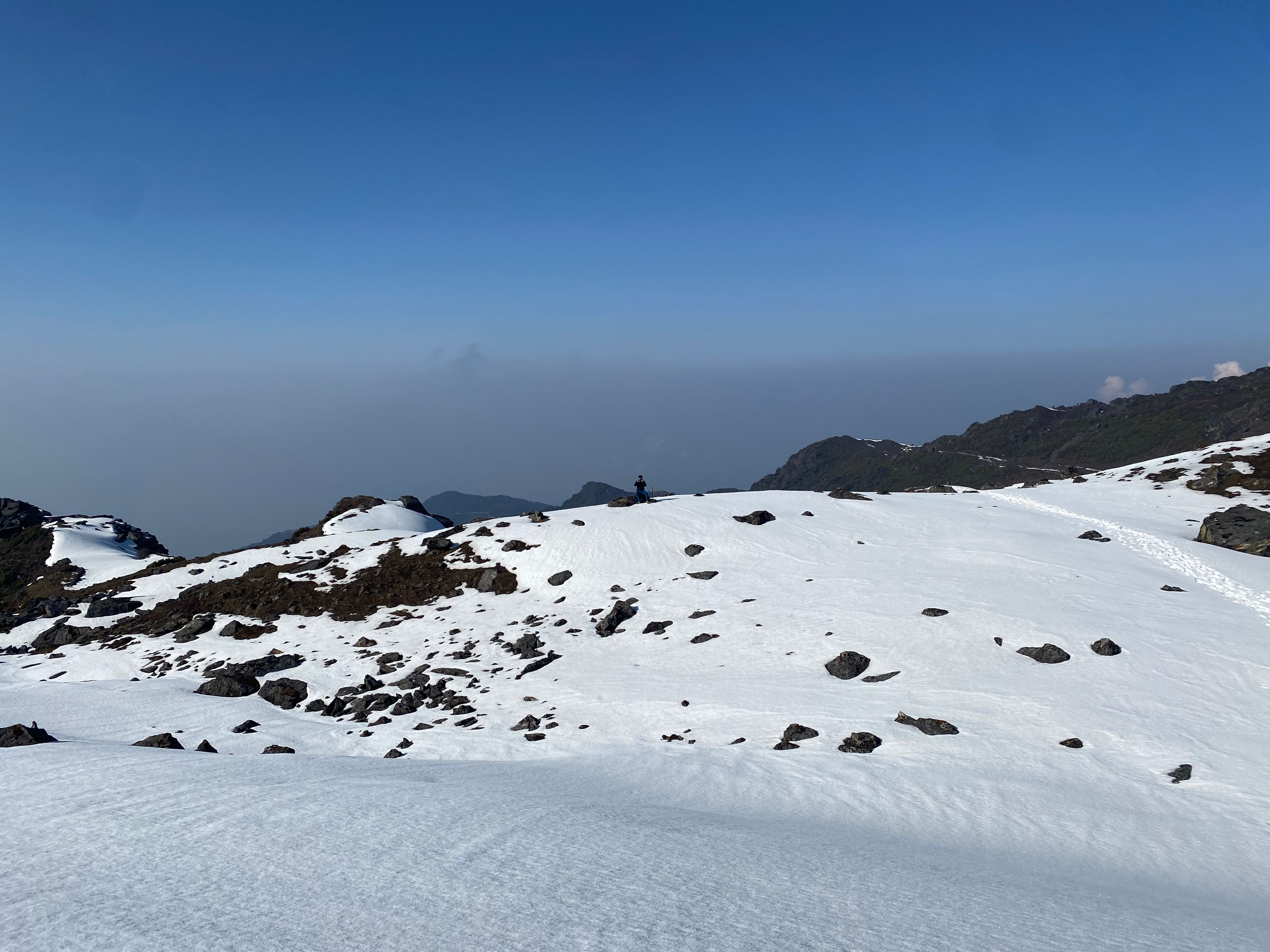
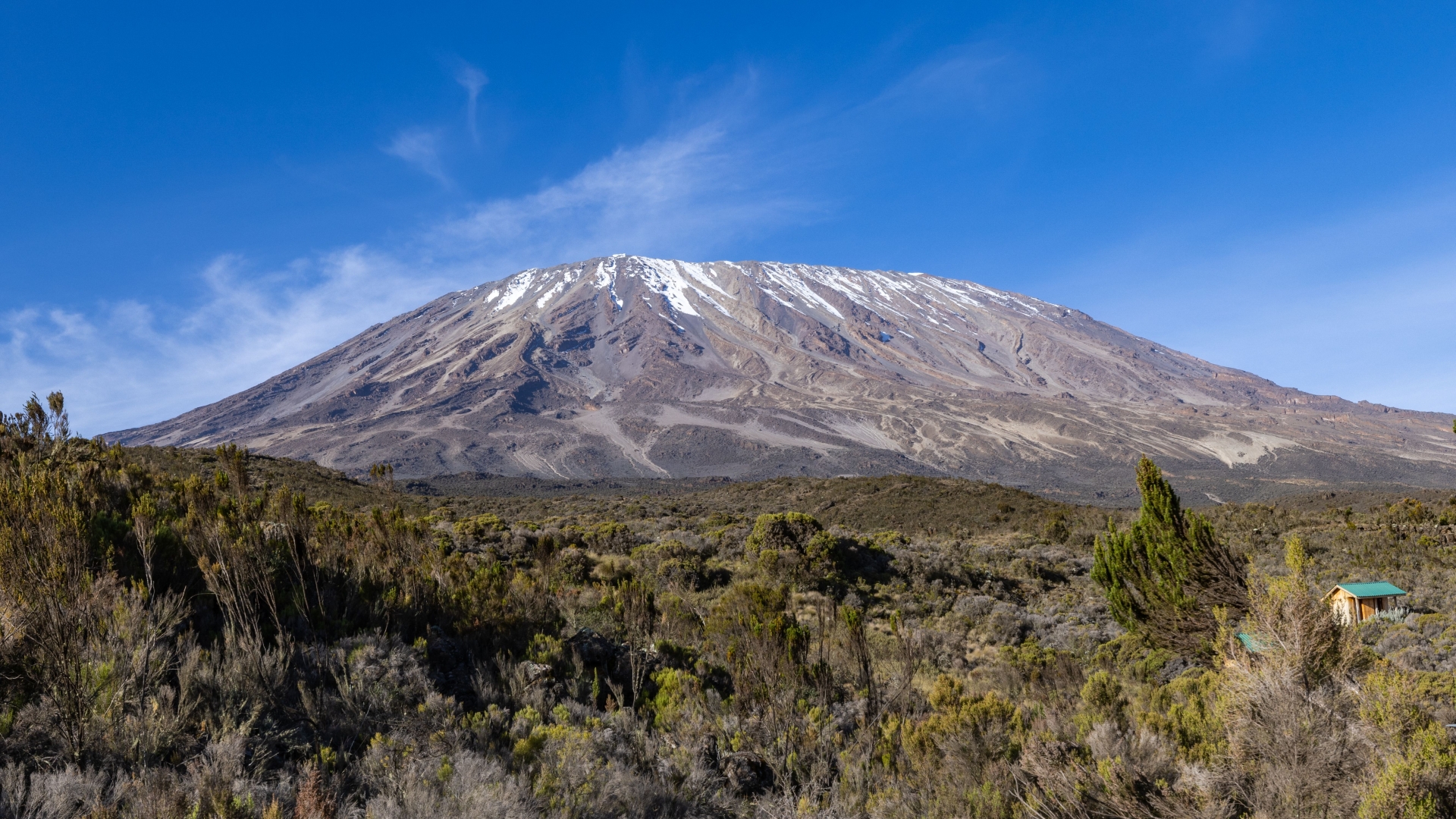
The Lemosho Route starts on the remote western side of Mount Kilimanjaro and is widely considered one of the most beautiful trails on the mountain. It begins in untouched rainforest, where you may see colobus monkeys, blue monkeys and rich birdlife, then rises onto the wide Shira Plateau with open views towards Kibo.

The 8-day schedule is the most relaxed way to climb Lemosho. Spending two nights on the Shira Plateau, at Shira 1 and Shira 2, and a night at Karanga Camp gives your body plenty of time to adjust, and the “climb high, sleep low” day to Lava Tower prepares you further for summit night. This gradual pace is why longer itineraries generally have higher summit success rates.

The early days are gentle and quiet, with far fewer trekkers than the busier southern trails. Our experienced local guides, porters and cook team look after you every step of the way, from the first forest trail to the certificate at Mweka Gate.

Itinerary

Day 1
Arrival & Londorossi Gate

Arrive in Kilimanjaro, transfer to Moshi/Arusha, meet your guides and porters, and prepare for the trek. Overnight in Moshi/Arusha.

Overnight: Hotel in Moshi/Arusha  |  Meals: Dinner

Day 2
Londorossi Gate to Big Tree Camp

After an early drive to Londorossi Gate for park registration, begin trekking through lush rainforest, reaching Big Tree Camp (Mti Mkubwa) for your first night on the mountain.

Elevation: 2,100 m to 2,820 m  |  Hiking time: 3–4 hours  |  Habitat: Rainforest

Day 3
Big Tree Camp to Shira 1 Camp

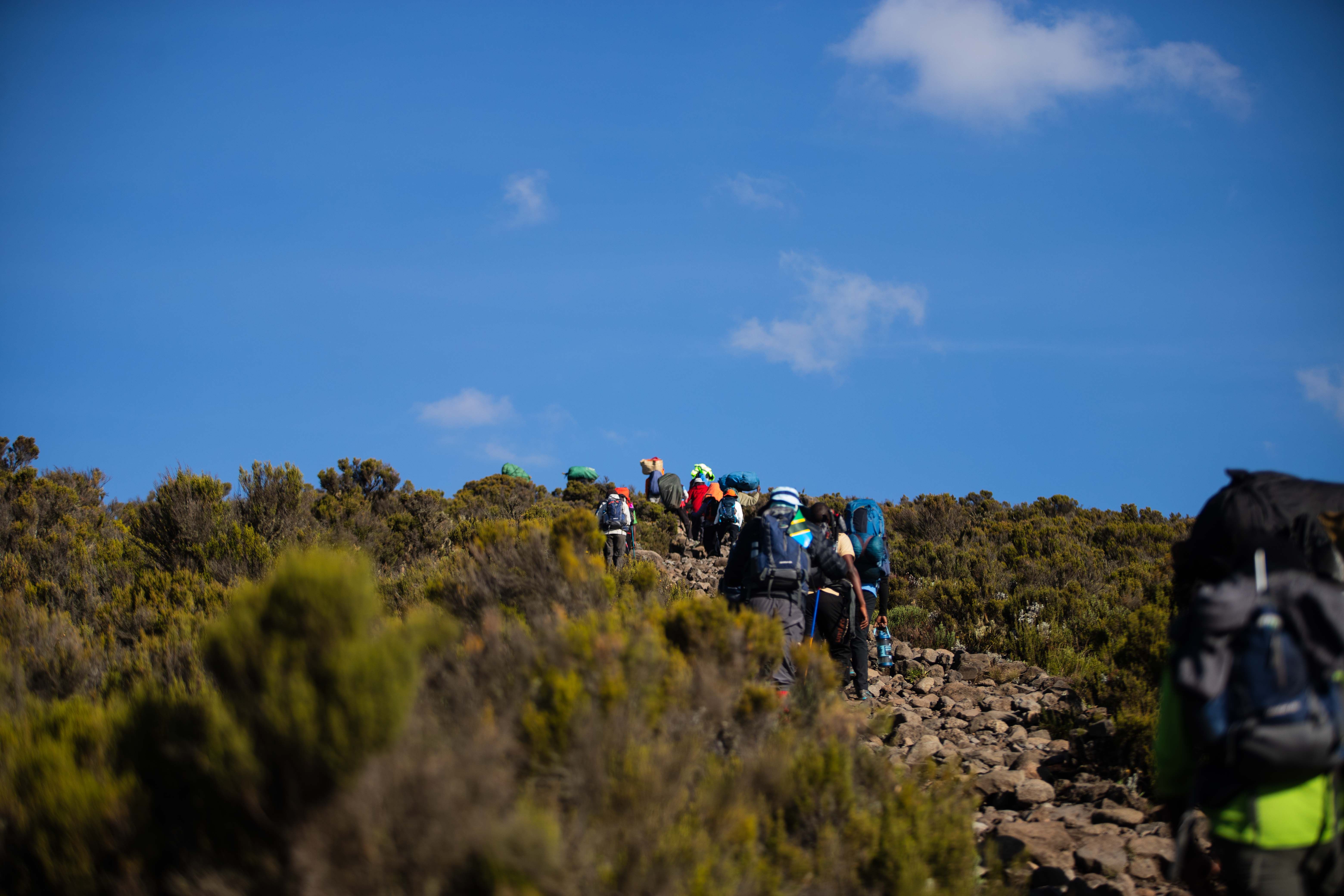
Trek from the forest to the Shira Plateau, enjoying panoramic views and unique flora. Overnight at Shira 1 Camp.

Elevation: 2,820 m to 3,500 m  |  Hiking time: 5–6 hours  |  Habitat: Heath & moorland

Day 4
Shira 1 Camp to Shira 2 Camp

Cross the Shira Plateau and ascend gently to Shira 2 Camp for acclimatization.

Elevation: 3,500 m to 3,840 m  |  Hiking time: 3–4 hours  |  Habitat: Moorland

Day 5
Shira 2 Camp to Barranco Camp

Trek up to Lava Tower and then descend into the valley to reach Barranco Camp, preparing for the steep ascent ahead.

Elevation: 3,840 m to 4,630 m (Lava Tower), then down to 3,985 m  |  Hiking time: 6–8 hours  |  Habitat: Alpine desert

Day 6
Barranco Camp to Karanga Camp

Ascend the Barranco Wall and cross the Karanga Valley, arriving at Karanga Camp for rest and acclimatization.

Elevation: 3,985 m to 3,995 m  |  Hiking time: 4–5 hours  |  Habitat: Alpine desert

Day 7
Karanga Camp to Barafu Camp

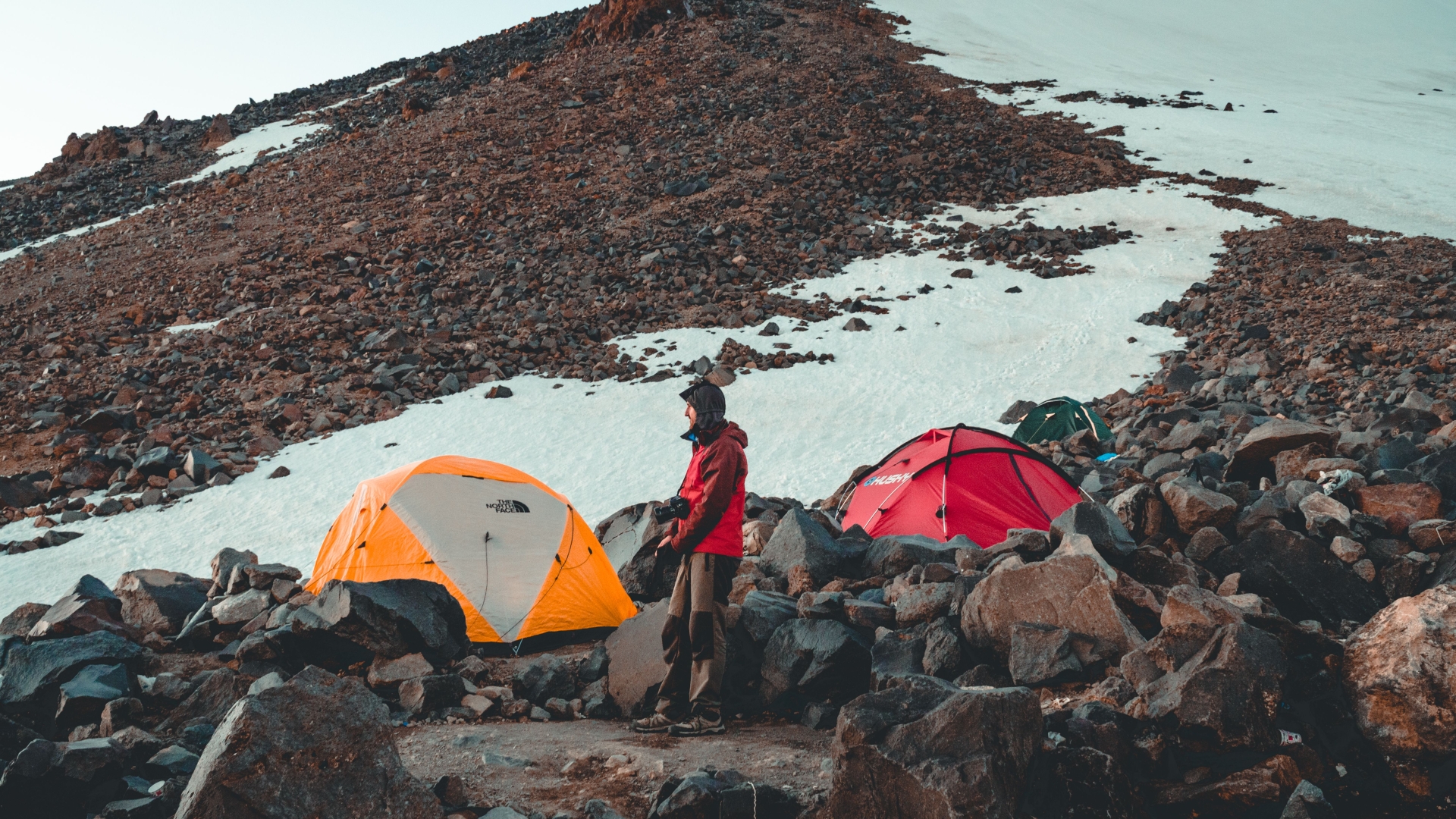
Continue ascending to Barafu Camp, the final camp before the summit attempt. Prepare for the early morning summit push.

Elevation: 3,995 m to 4,673 m  |  Hiking time: 3–4 hours  |  Habitat: Alpine desert

Day 8
Summit & Descent to Mweka Camp

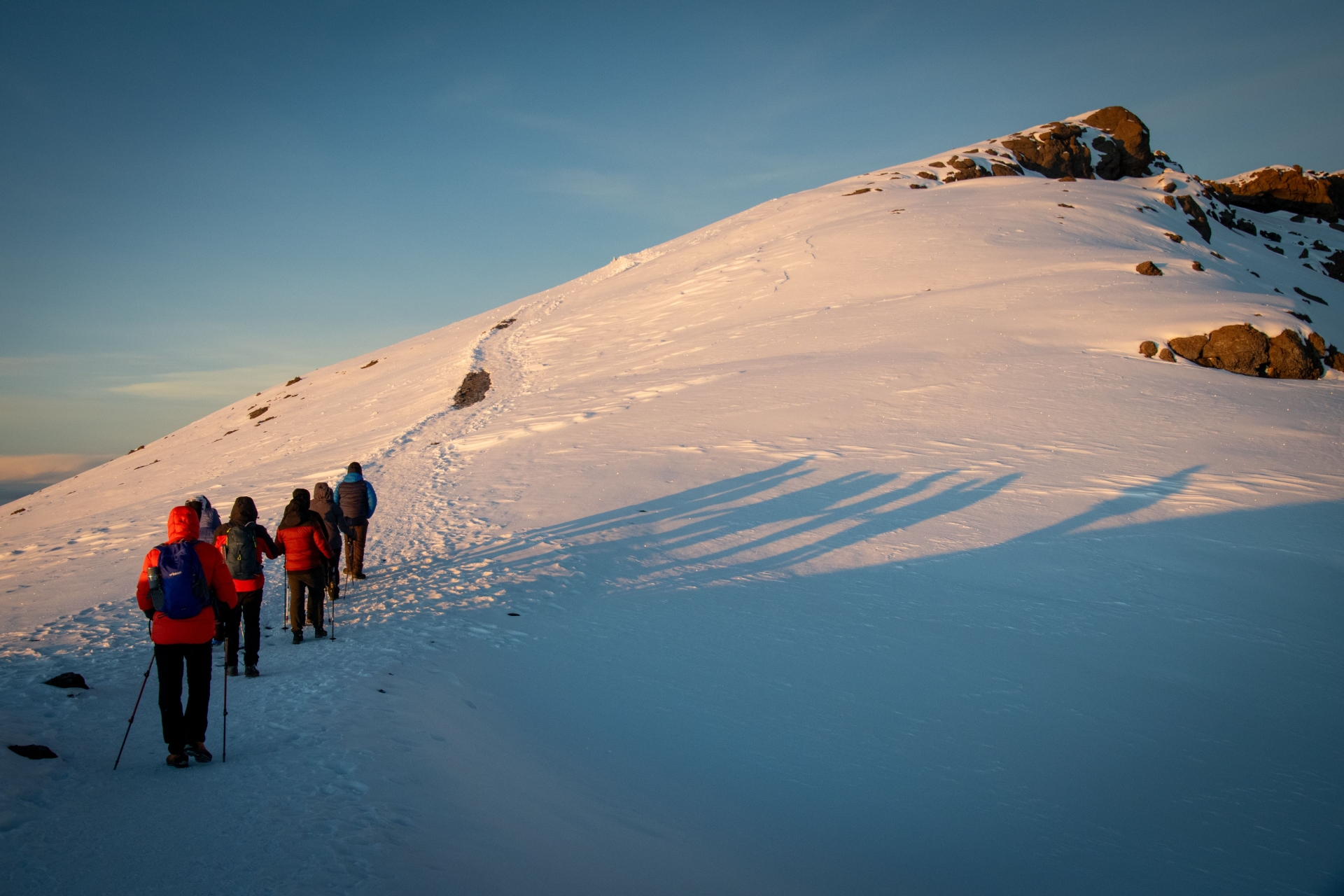
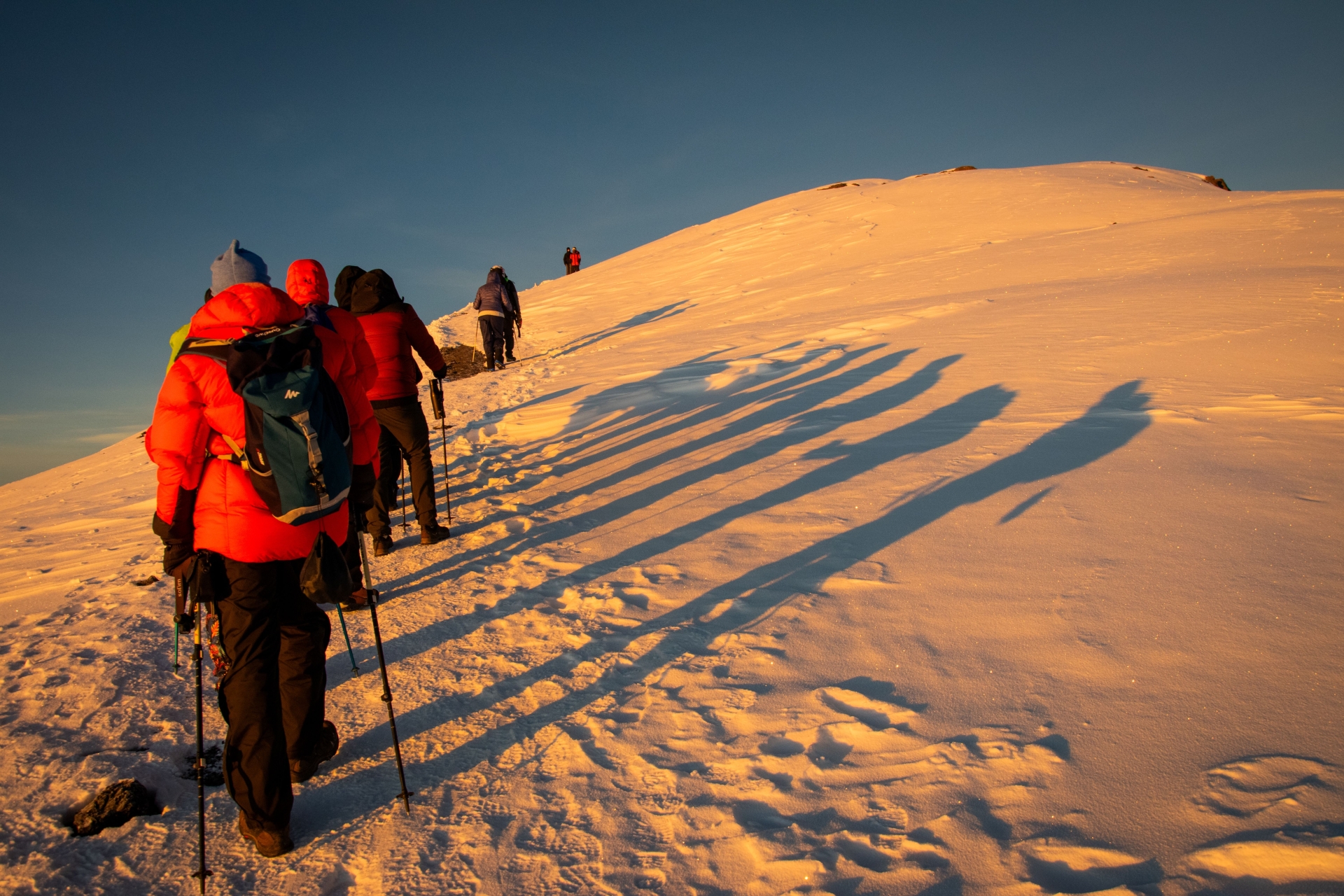
Begin the pre-dawn ascent to Uhuru Peak, the highest point in Africa. Descend via Barafu to Mweka Camp for your final night on the mountain, then walk out to Mweka Gate the next morning and transfer to Moshi.

Elevation: 4,673 m to 5,895 m, then down to 3,100 m  |  Hiking time: 12–15 hours  |  Habitat: Arctic summit zone
Route Highlights

  • Remote western start with far fewer trekkers
  • Pristine rainforest with monkeys and birdlife
  • Two nights on the Shira Plateau for gradual acclimatization
  • “Climb high, sleep low” at Lava Tower and the Barranco Wall
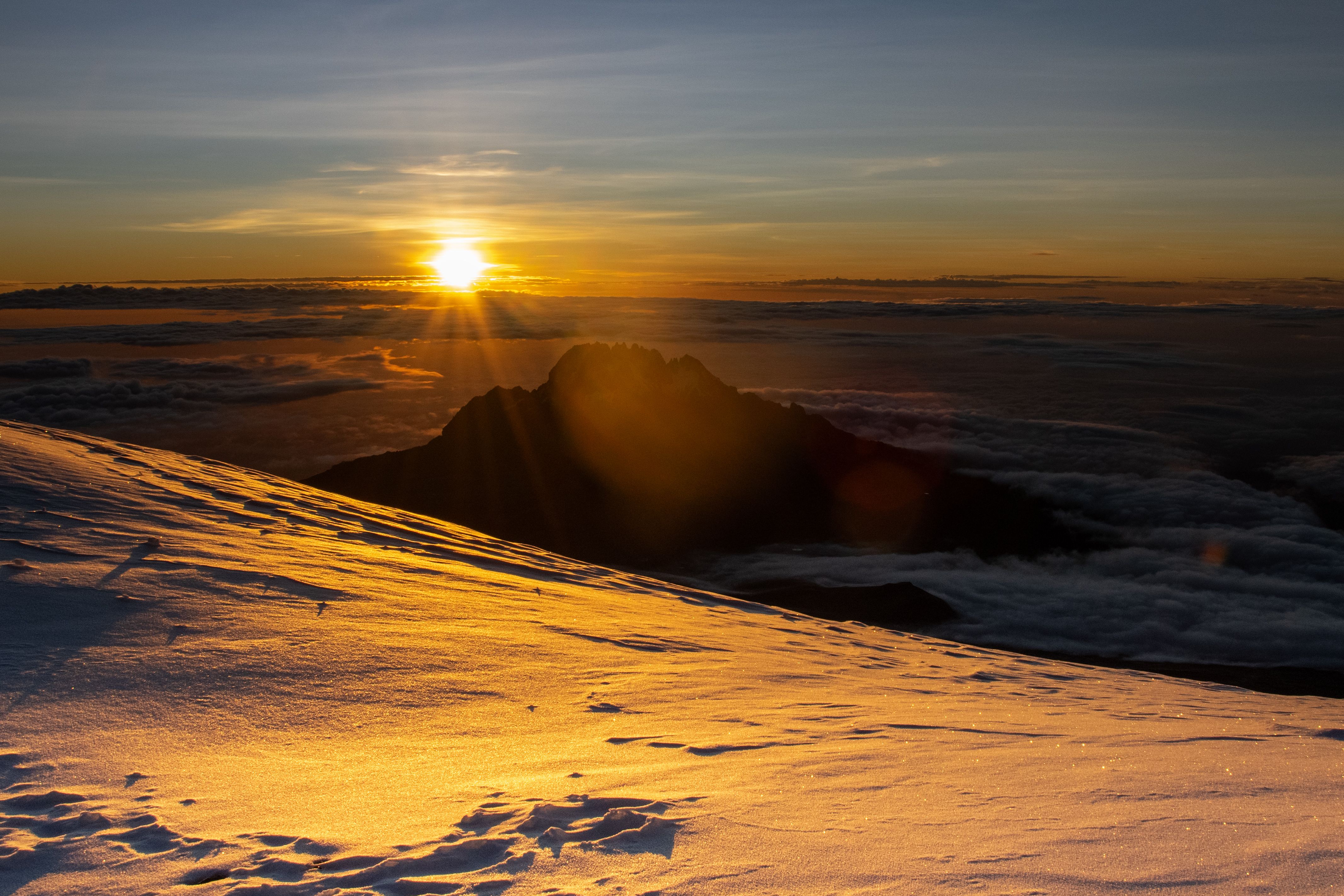
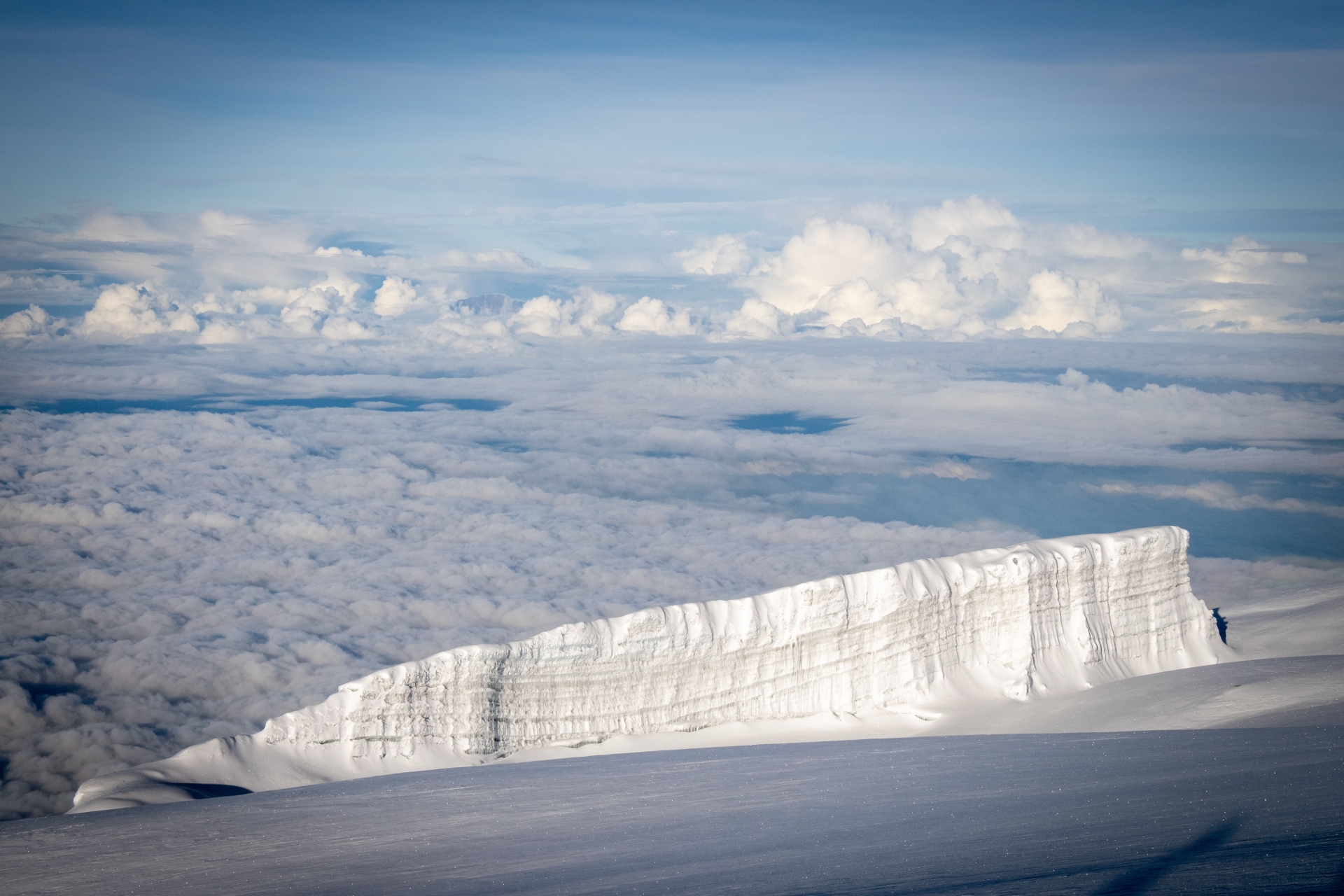
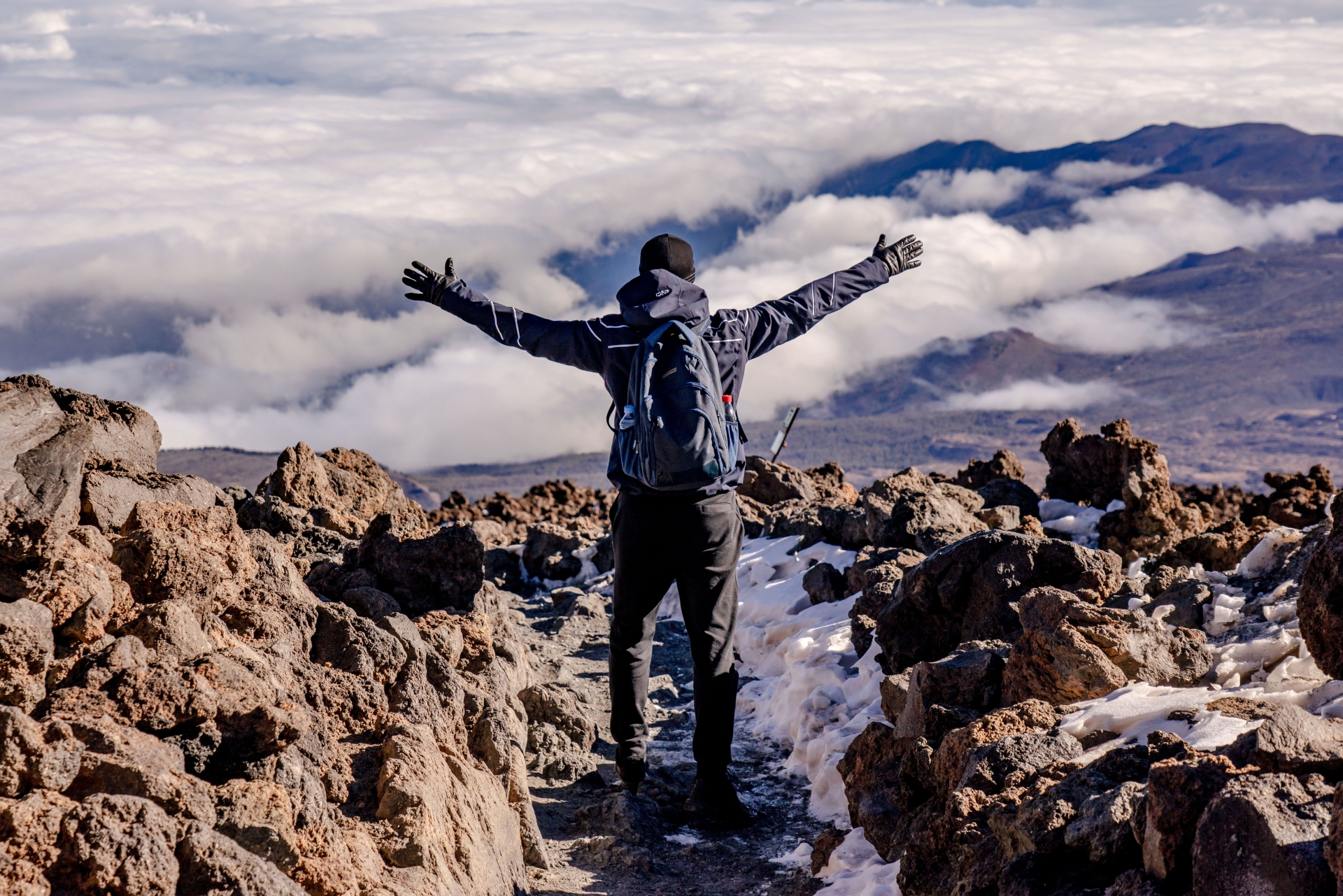
  • Sunrise over the clouds from Uhuru Peak

Activities

  • Guided Trekking & Summit Attempt
  • Forest, Moorland & Alpine Zone Hikes
  • Photography of Panoramic Views
  • Bird Watching & Wildlife Spotting
  • Camping in Scenic Campsites

What to Bring

  • Layered Trekking Clothing
  • Hiking Boots
  • Headlamp & Extra Batteries
  • Warm Jacket & Gloves (Summit)
  • Water Bottle & Snacks
  • Personal Medications
  • Hat & Sunglasses
  • Warm Sleeping Bag
  • Trekking Poles & Gaiters
  • Waterproof Jacket & Pants

Best Time to Climb

  • January to March – clear skies, colder summit
  • June to October – dry season, most popular
  • Avoid April–May and November for heavy rain

Price Includes

  • Kilimanjaro National Park fees, camping and rescue fees
  • Professional, licensed mountain guides
  • Porters, cook and all camp staff
  • All meals and drinking water on the mountain
  • Mountain tents, sleeping mats and mess tent
  • Airport and gate transfers
  • Hotel before the climb

Price Excludes

  • International flights and visas
  • Travel and medical insurance
  • Tips for guides and crew
  • Personal gear and sleeping bag rental
  • Personal expenses and drinks
  • Extra nights before or after the trek

Good to Know

Summit night is the hardest part of the climb. You start in the early hours, temperatures at the top can fall well below freezing, and the day can last 12 to 15 hours, so warm layers and a good rest at Barafu Camp matter. Most trekkers reach Mweka Gate the following morning after a short walk out.

Ready to Climb Kilimanjaro?

Talk to our local team for dates, group departures and a personalized quote.

Request a Quote

Mount Kilimanjaro

Trekking Tours

Choose the route that matches your pace, experience, and time on the mountain.

Est. in Arusha, Tanzania

AFRICAN TRIPS EXPEDITIONS

Kilimanjaro Treks & Tanzania Safari Specialists

From the summit of Africa's tallest peak to sunrise game drives on the Serengeti, we design journeys led by local guides who know this land as home.