Tarangire National Park
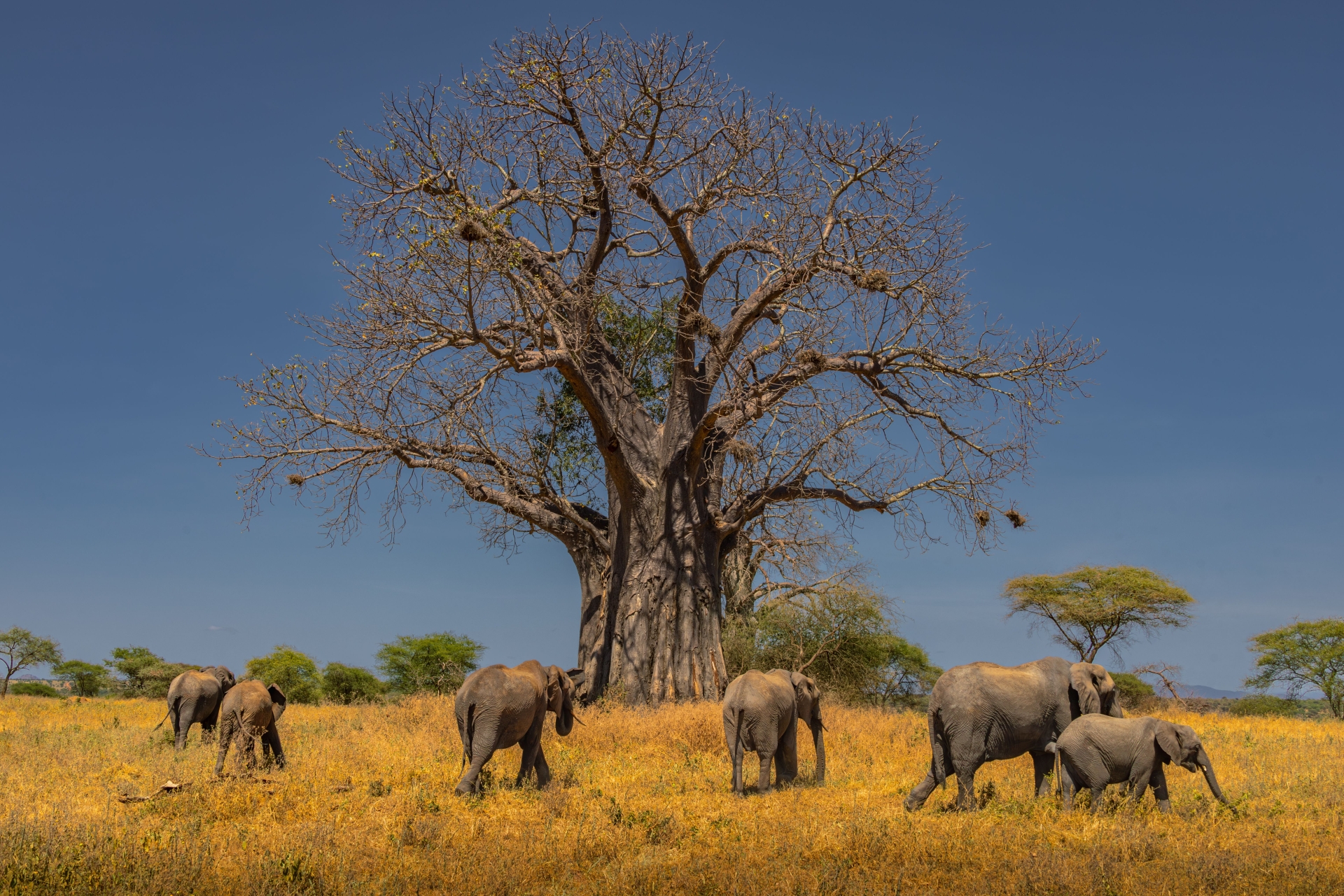
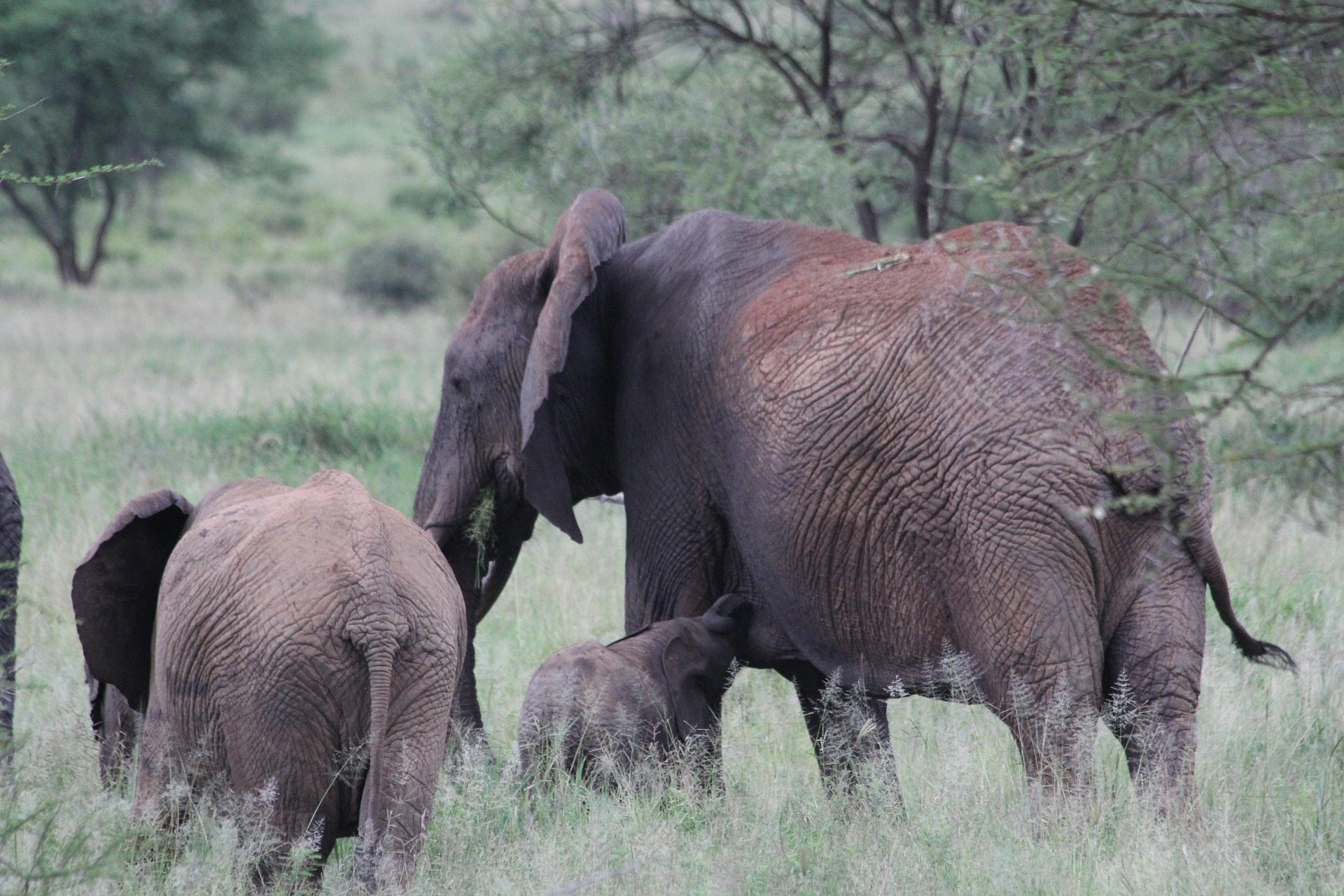
The park of giant baobabs and big elephant herds, especially rewarding in the dry season.
About the Park
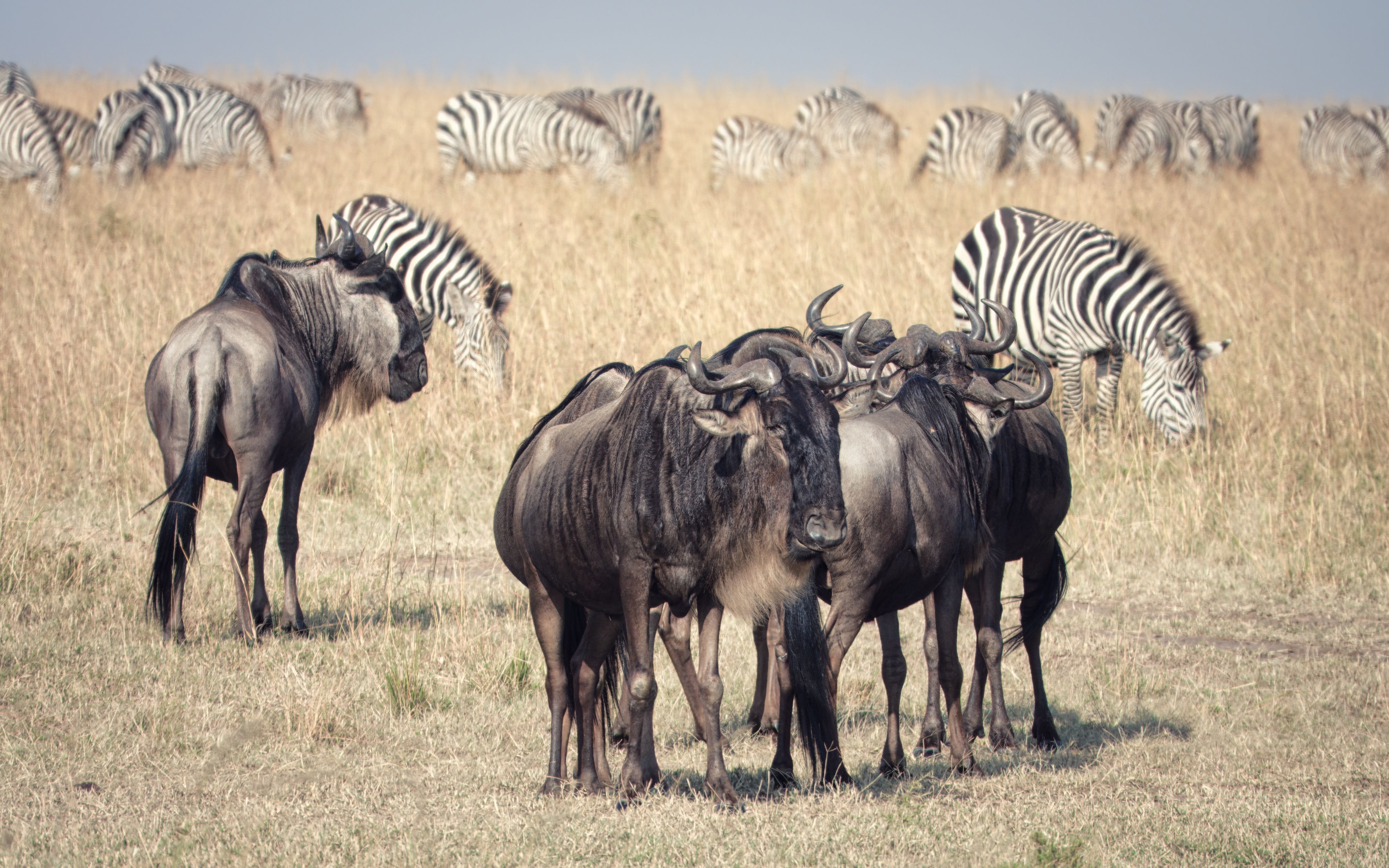
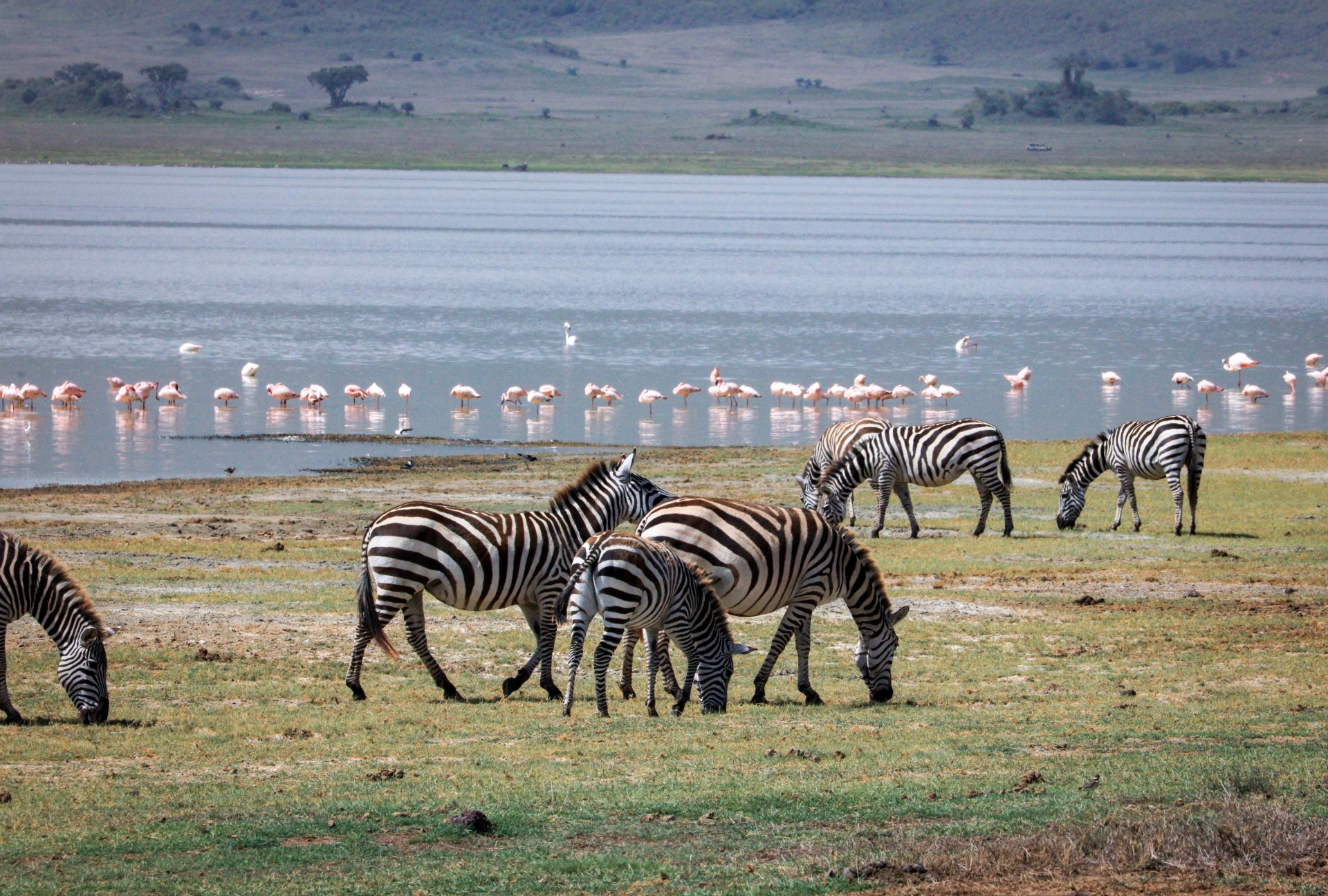
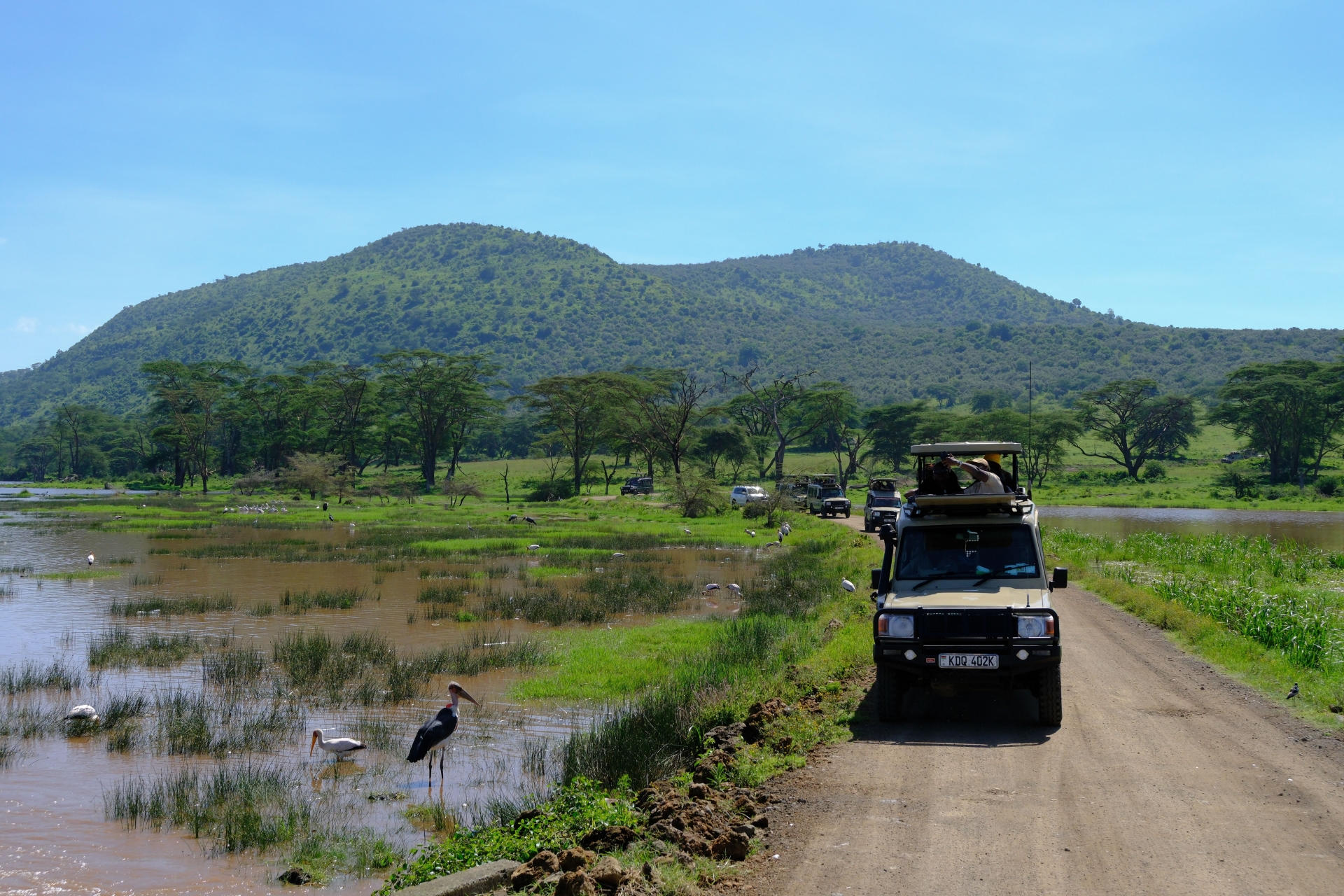
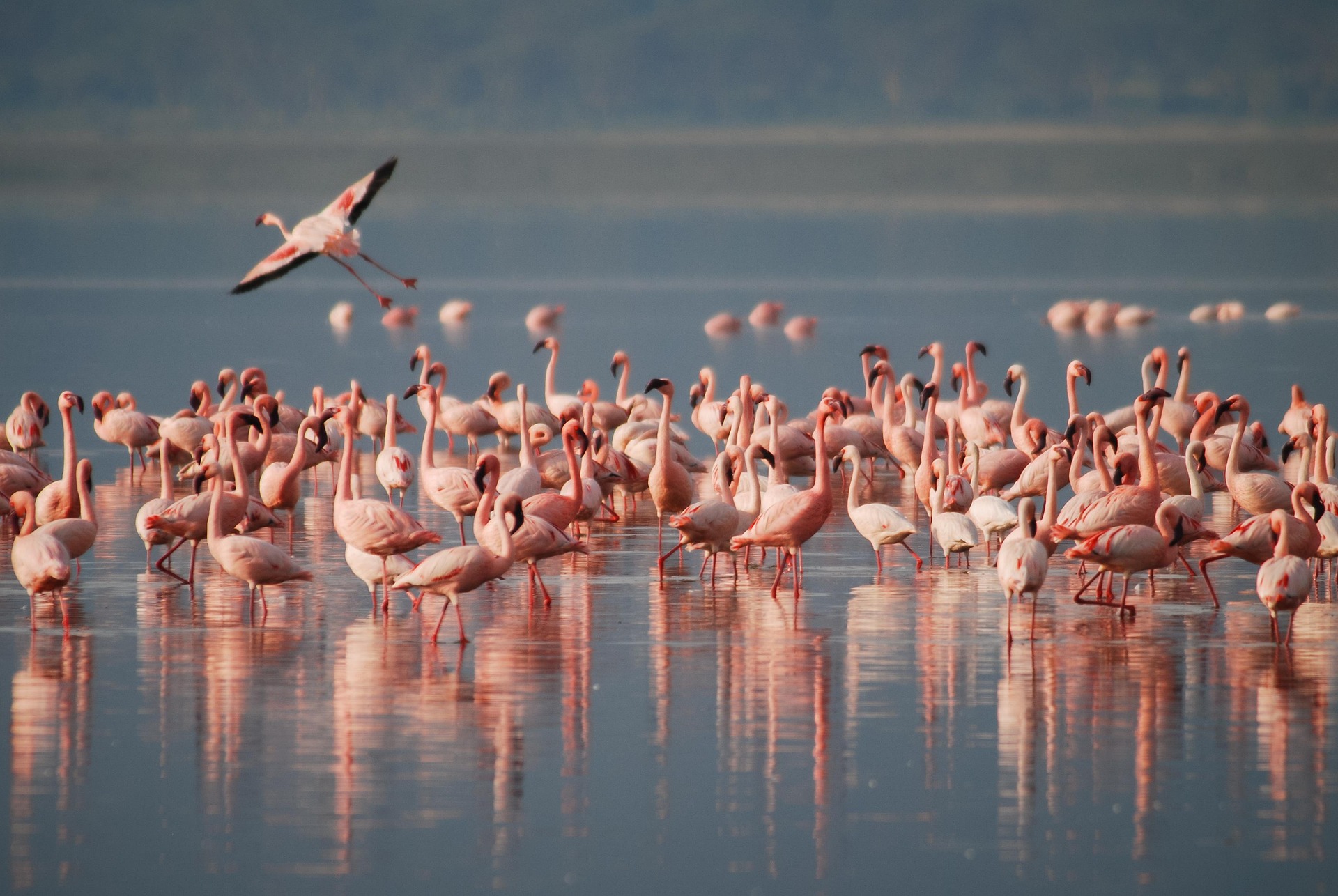
Tarangire National Park takes its name from the Tarangire River and is known for its large elephant herds and photogenic landscapes. It forms part of the wider Tarangire-Manyara ecosystem of about 35,000 sq km, with open savanna, riverine woodland and ancient baobab trees. Visitors can see elephants, lions, giraffes, zebras and buffalo, along with more than 550 bird species, both resident and migratory.
The park has a mix of habitats, including acacia parkland, combretum woodland, riverine grassland, seasonal floodplains and rocky hilltop kopjes. In the dry season these areas give shelter and water to animals that move in from the wider Tarangire-Maasai Steppe ecosystem. Bird watchers will enjoy the open woodland, wetlands such as Silale Swamp, and floodplains full of birdlife.
Quick Facts
- Location: Northern Tanzania
- Famous For: Elephants, baobab trees and dry-season wildlife concentrations
- Wildlife: Elephants, lions, leopards, giraffes, zebras, wildebeest, buffalo
- Birdlife: More than 550 species, resident and migratory
- Landscape: Savanna, riverine woodland, seasonal floodplains and rocky kopjes
- Best Game Viewing: Dry season, June to October
- Bring: Binoculars and sun protection
Weather & Climate
Tarangire has a tropical savanna climate. The long rains fall from March to May and the short rains from November to December. The dry months, June to October, are the best for wildlife viewing, with a shorter dry spell in January and February.
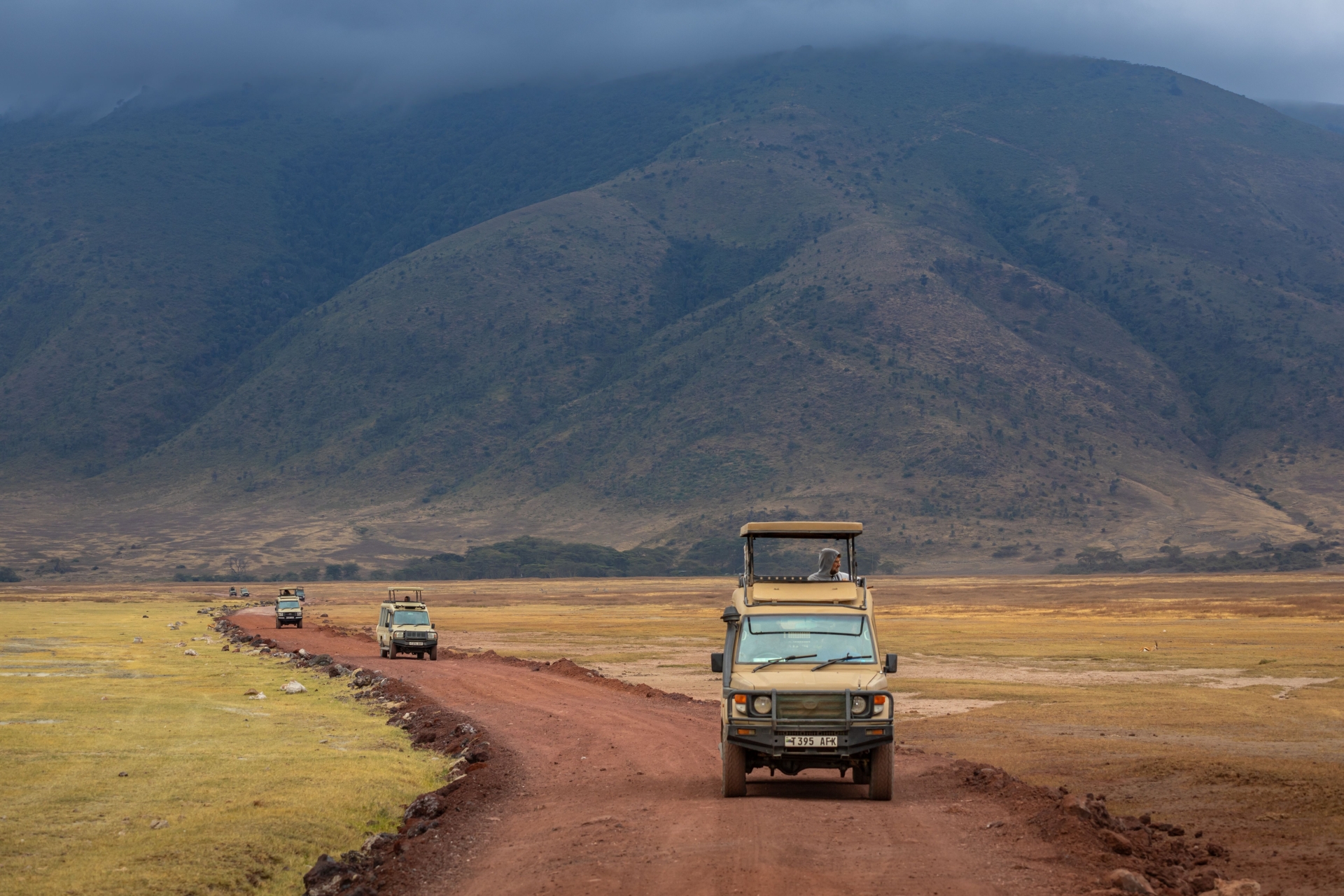
Daytime temperatures usually range from 20°C to 30°C, with cooler mornings and evenings in the dry season. Pack light clothing, sun protection and comfortable shoes for game drives.
Why the Dry Season Is Special
As the land dries out, animals gather along the Tarangire River, which is the main water source in the park during these months. That is when you are most likely to see big elephant herds together with zebra, wildebeest, giraffe and the predators that follow them. In the green season the animals spread over a wider area, the park is quieter, and the birdlife is at its best.
Plan Your Tarangire Safari
Talk to our local team for the best time to go, suggested itineraries and a personalized quote.
Request a Quote