NGORONGORO CONSERVATION AREA
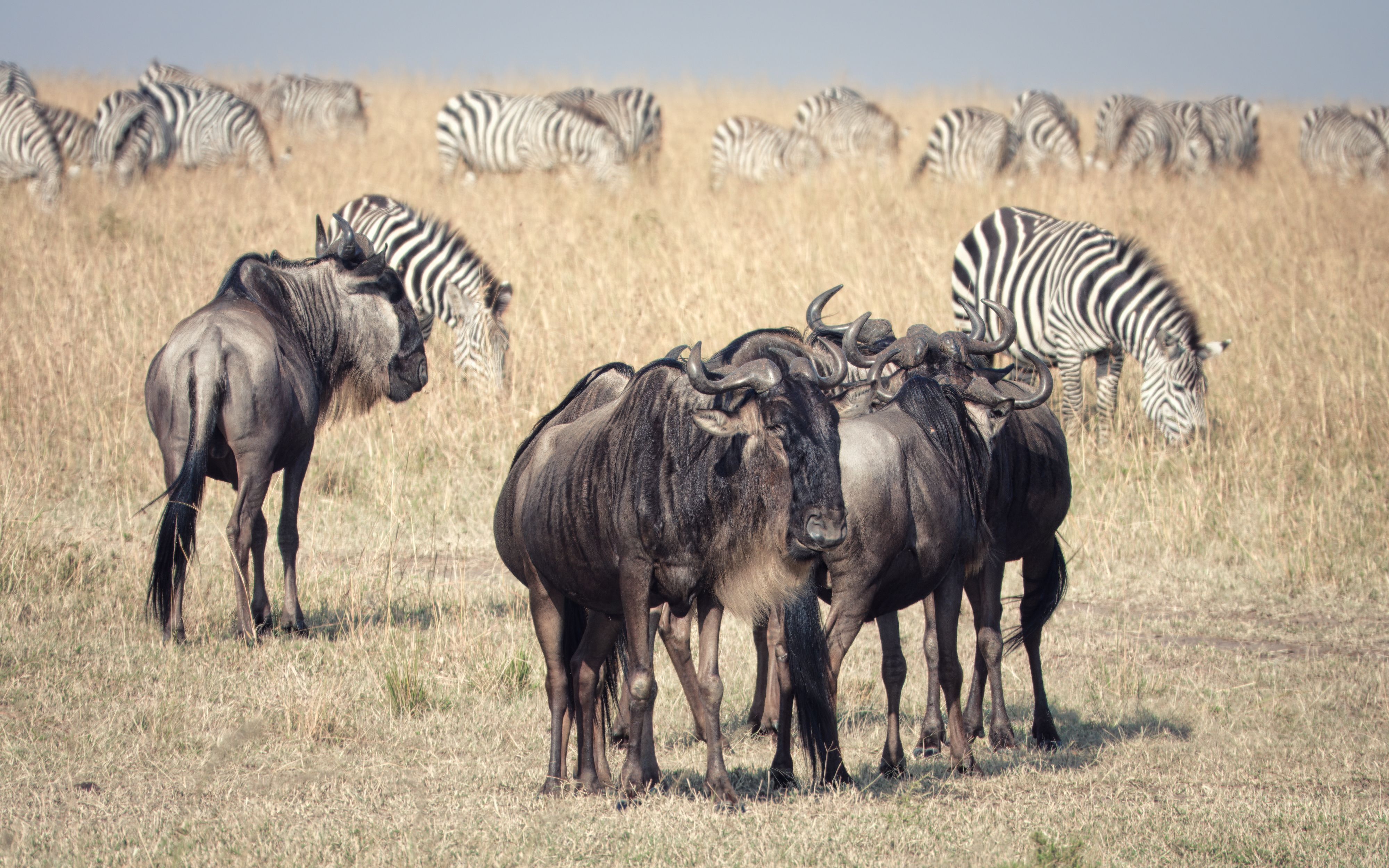
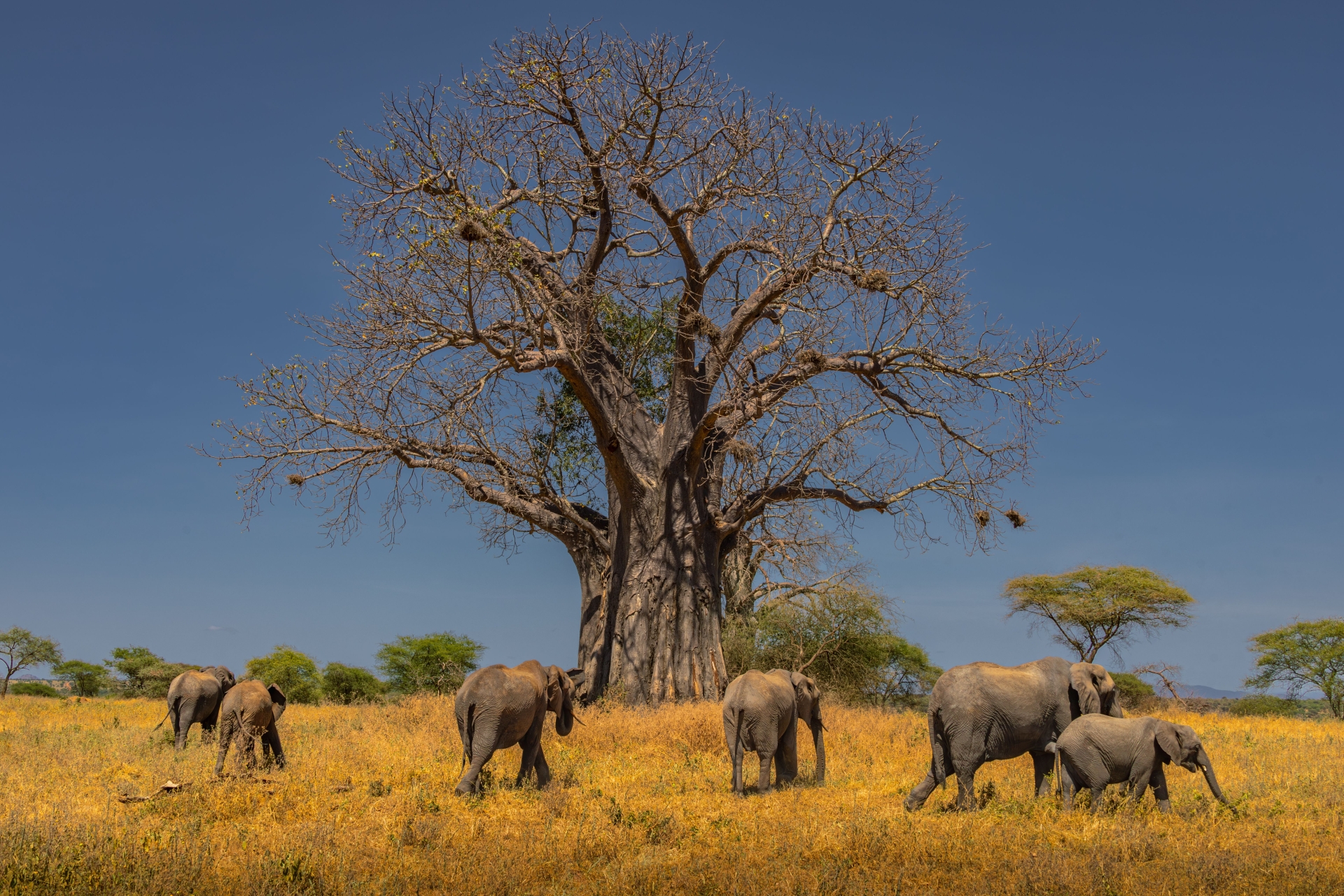
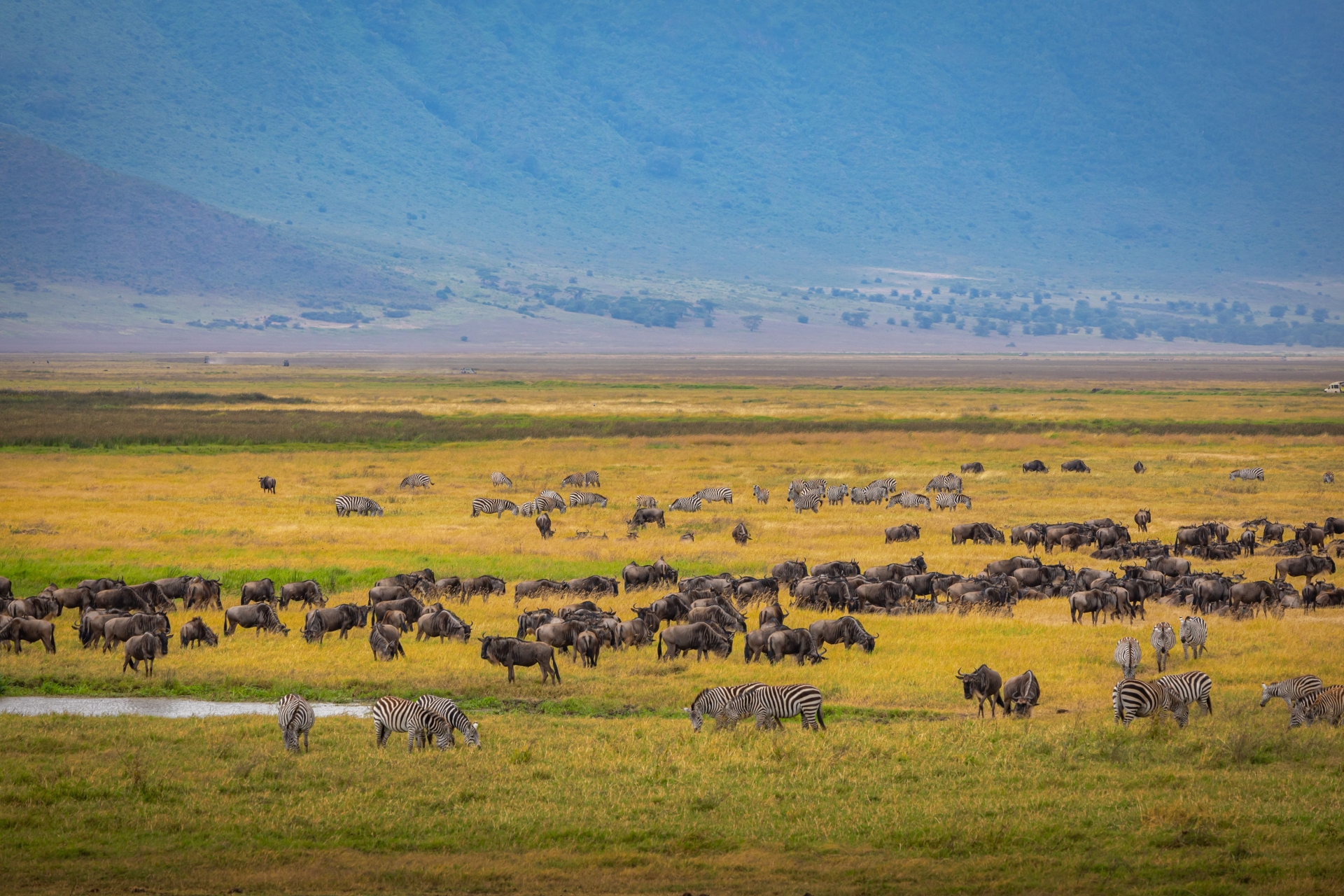
Ngorongoro Crater is a **rare protected area** where the Maasai and wildlife coexist in harmony. This massive caldera, formed from an ancient volcano ~3 million years ago, is the largest unbroken caldera in the world. Known as the “Garden of Eden,” its fertile floor is home to thousands of animals, including wildebeest, elephants, lions, hippos, hyenas, zebras, and endangered rhinos.
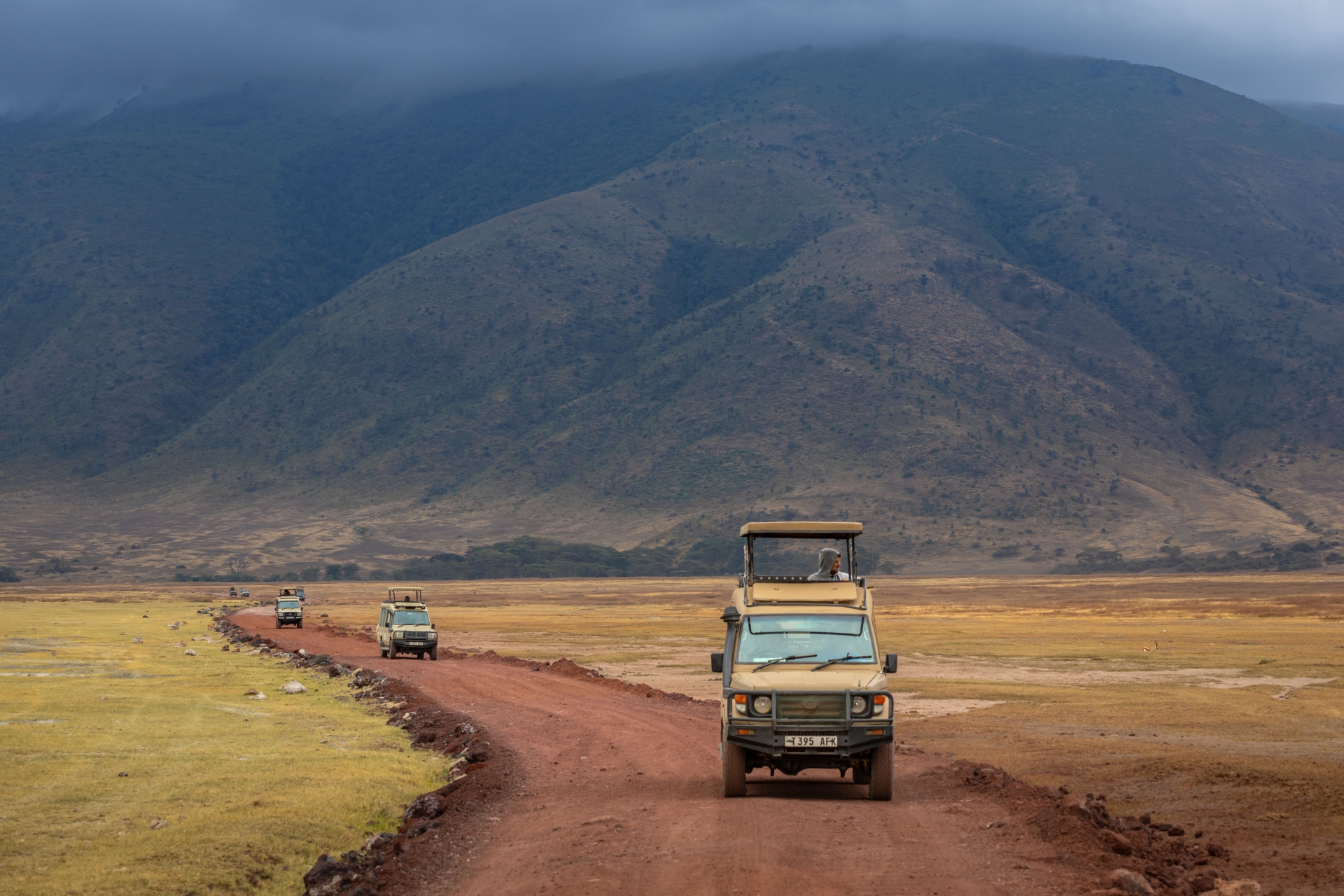
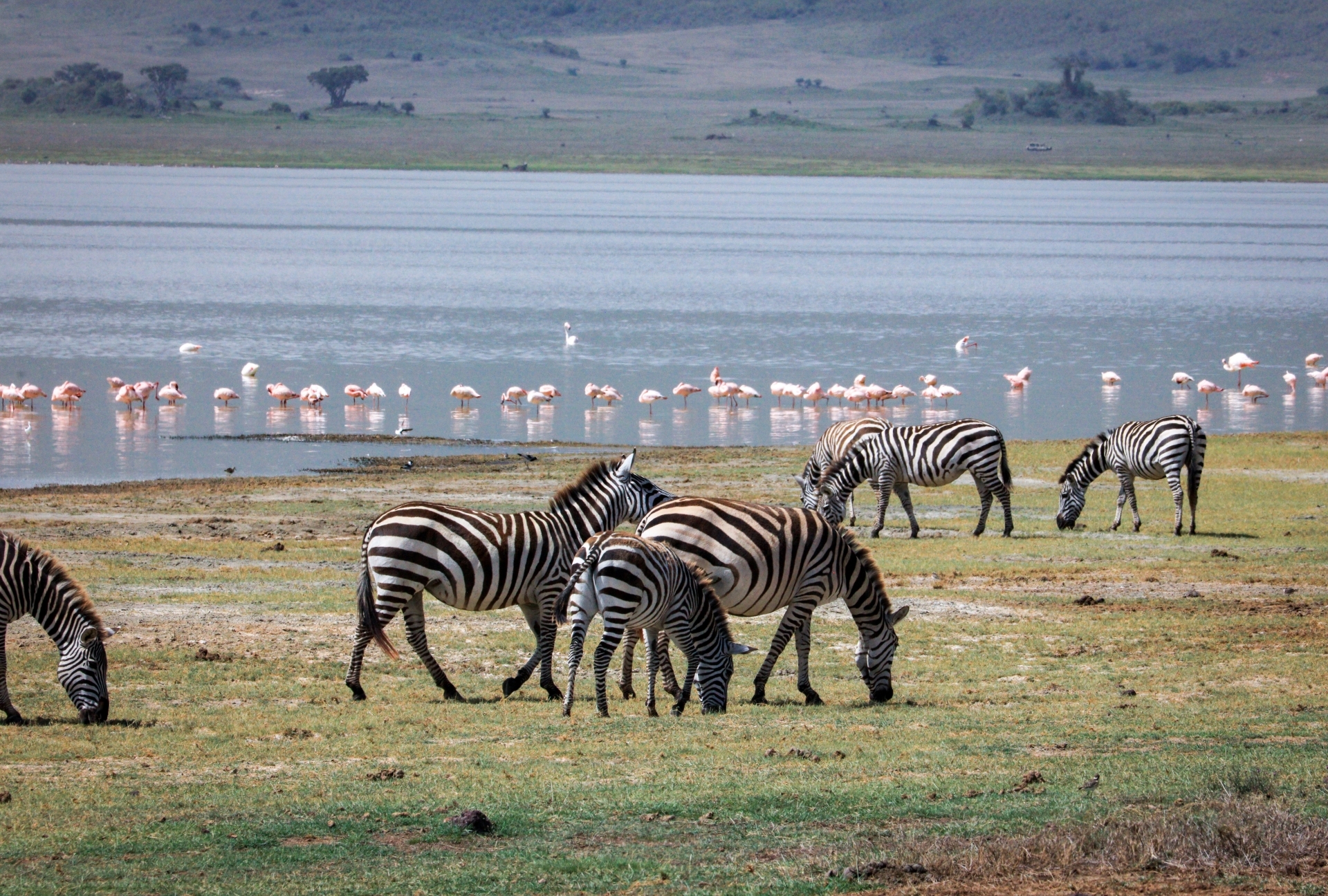
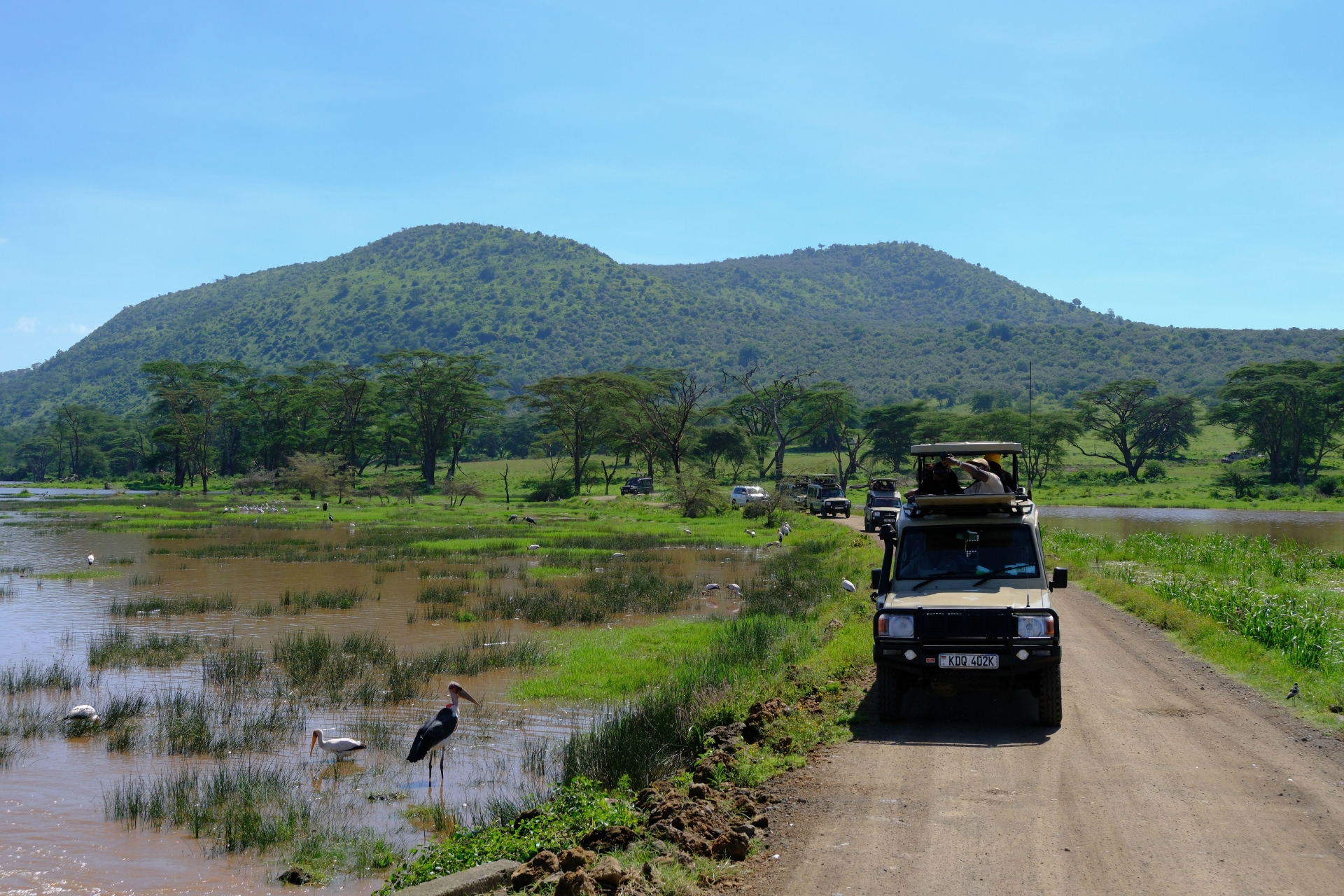
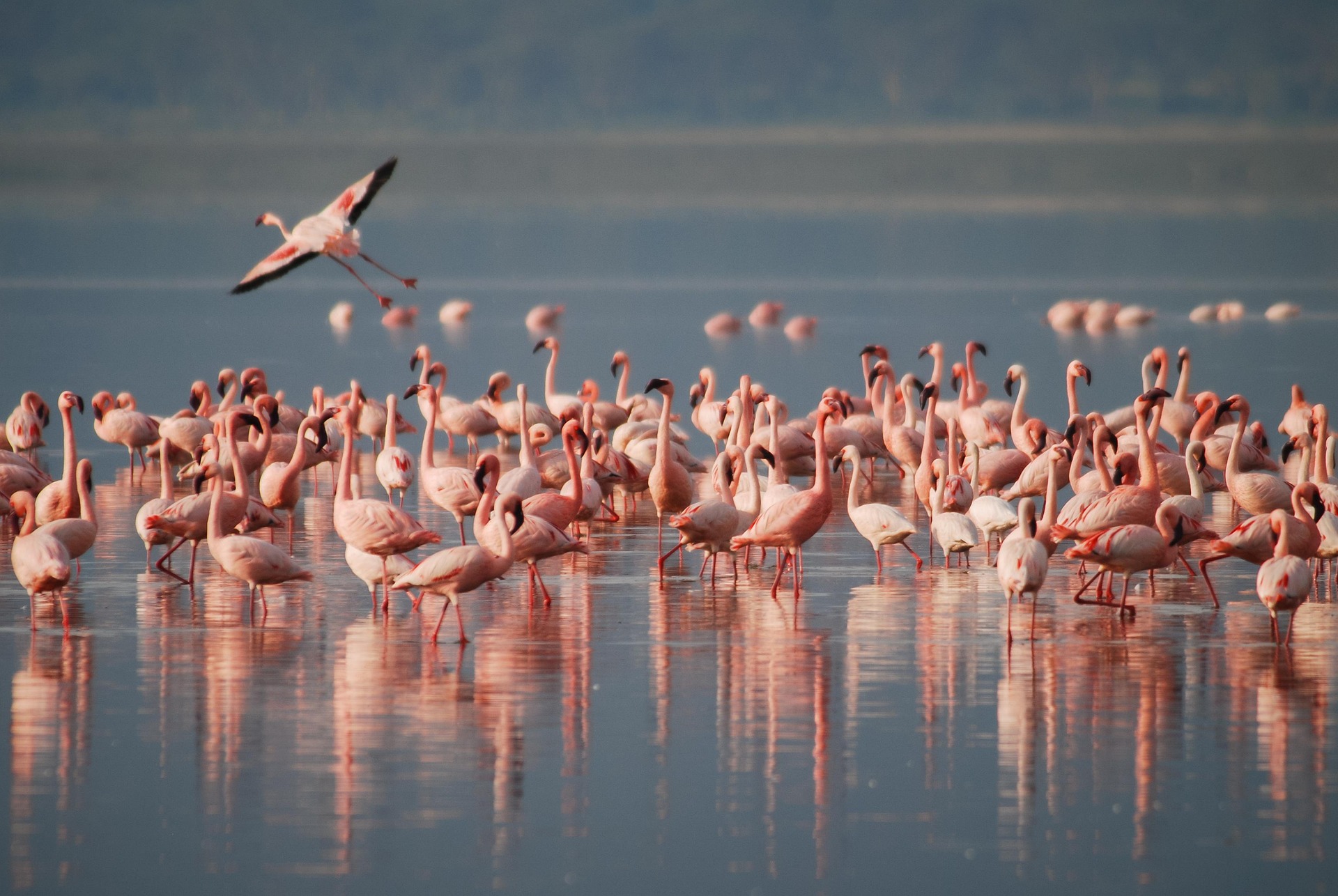
The crater’s diverse habitats include grasslands, wetlands, and small forests, attracting over 500 species of birds. Visitors can enjoy spectacular game viewing combined with cultural tours to nearby Maasai villages. Ngorongoro is considered one of Africa’s top natural wonders and a must-see on any Tanzanian safari.
Quick Facts
- Location: Northern Tanzania, near Arusha
- Area: 8,292 sq km (Conservation Area), Crater floor ~260 sq km
- Established: 1959
- Famous For: Big Five, Maasai culture, largest caldera in the world
- Wildlife: Lions, elephants, rhinos, wildebeest, hippos, hyenas, zebras, 500+ bird species
- Visitor Tips: Game drives are best early morning or late afternoon; bring warm clothes for cooler crater mornings
Weather & Climate
Ngorongoro has a temperate climate with mild temperatures year-round due to its high elevation (~2,200 m). **Rainy seasons:** March–May (long rains) and Oct–Dec (short rains). **Dry seasons:** June–Sept & Jan–Feb, offering the best wildlife viewing. Daytime temperatures range from 20°C–25°C, while mornings and evenings can be cool (~10°C–15°C). Visitors should bring layers and sun protection.