Lake Manyara National Park
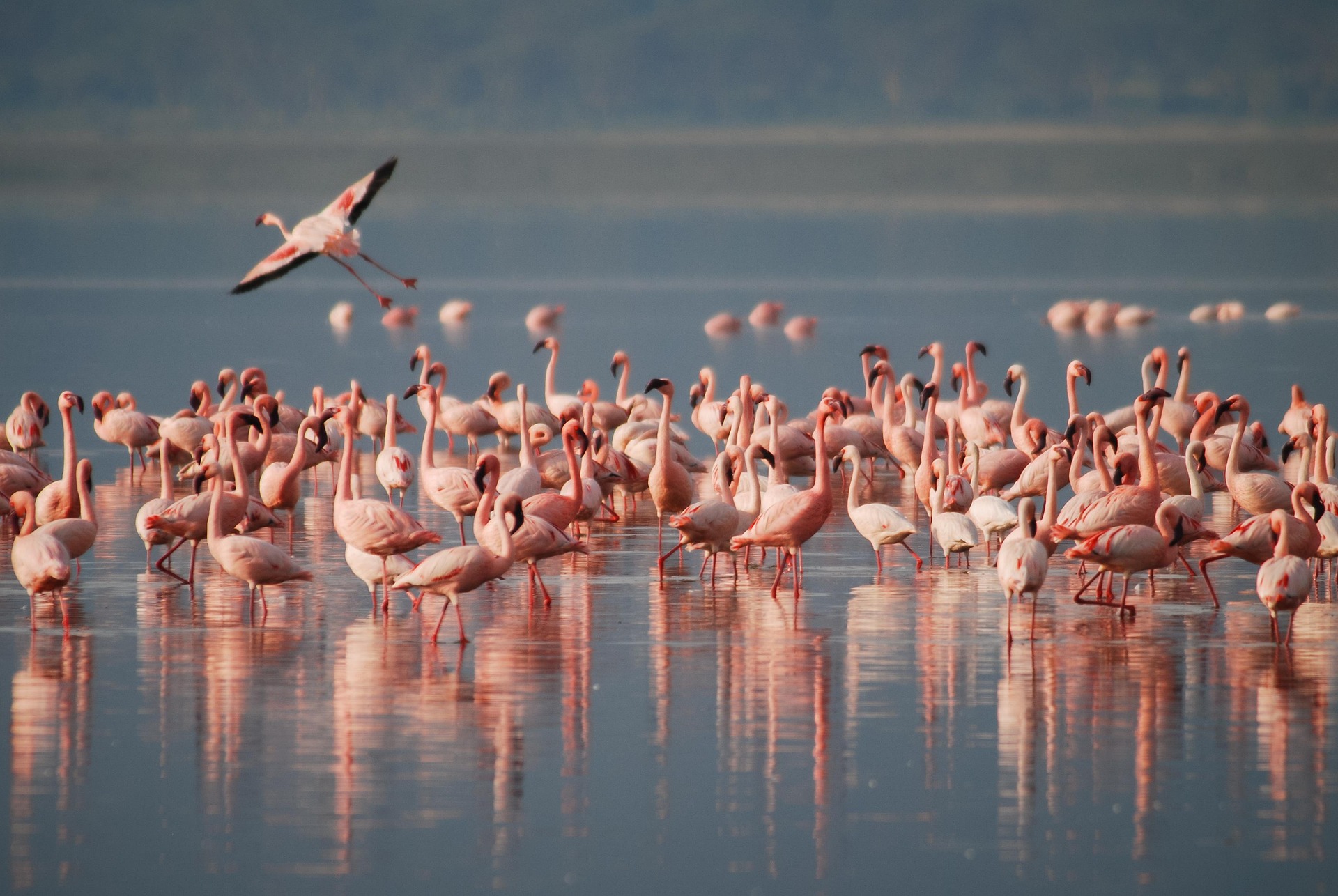
A small park with a big mix of wildlife, from flamingos on the soda lake to tree-climbing lions below the Rift Valley wall.
About the Park
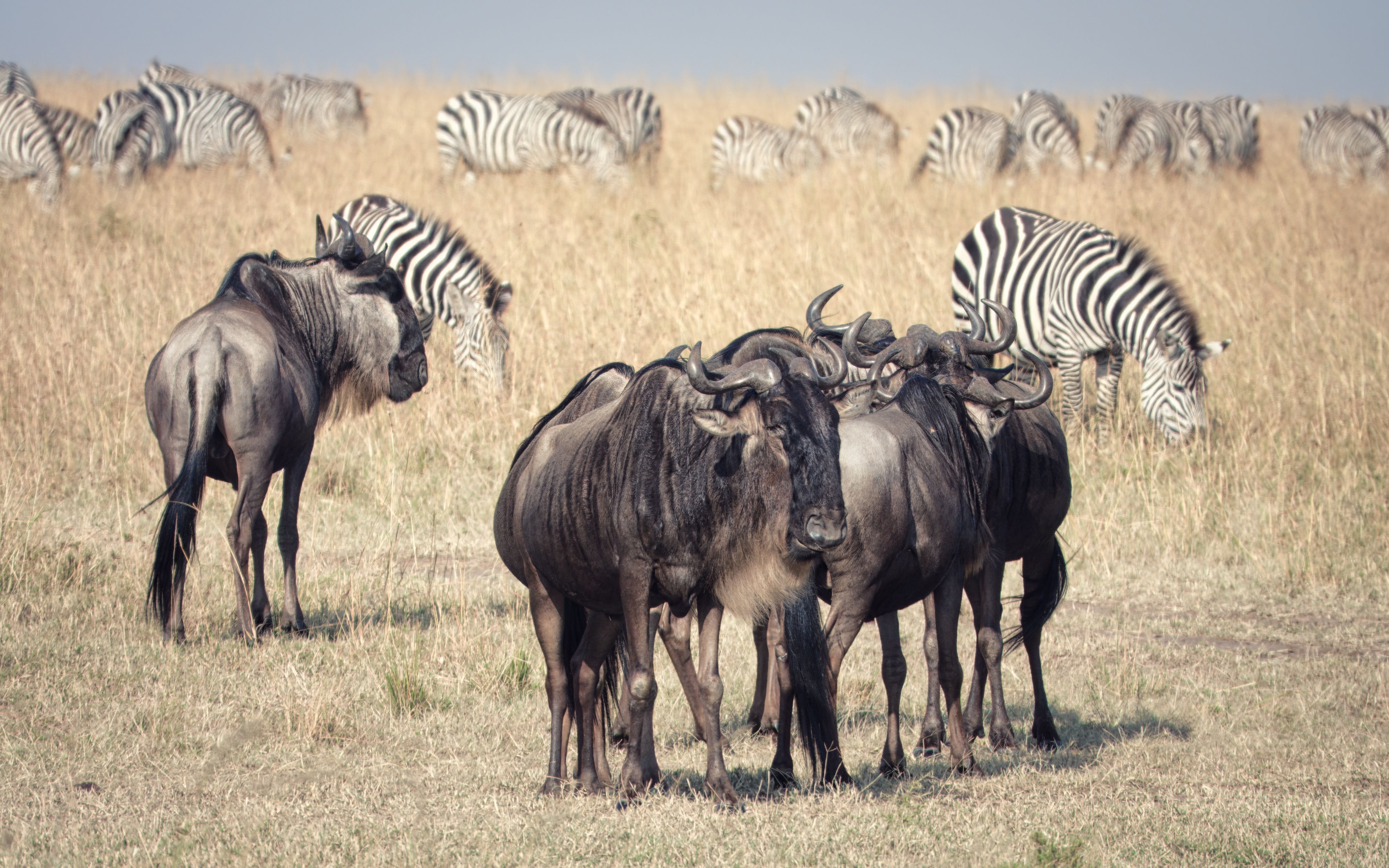
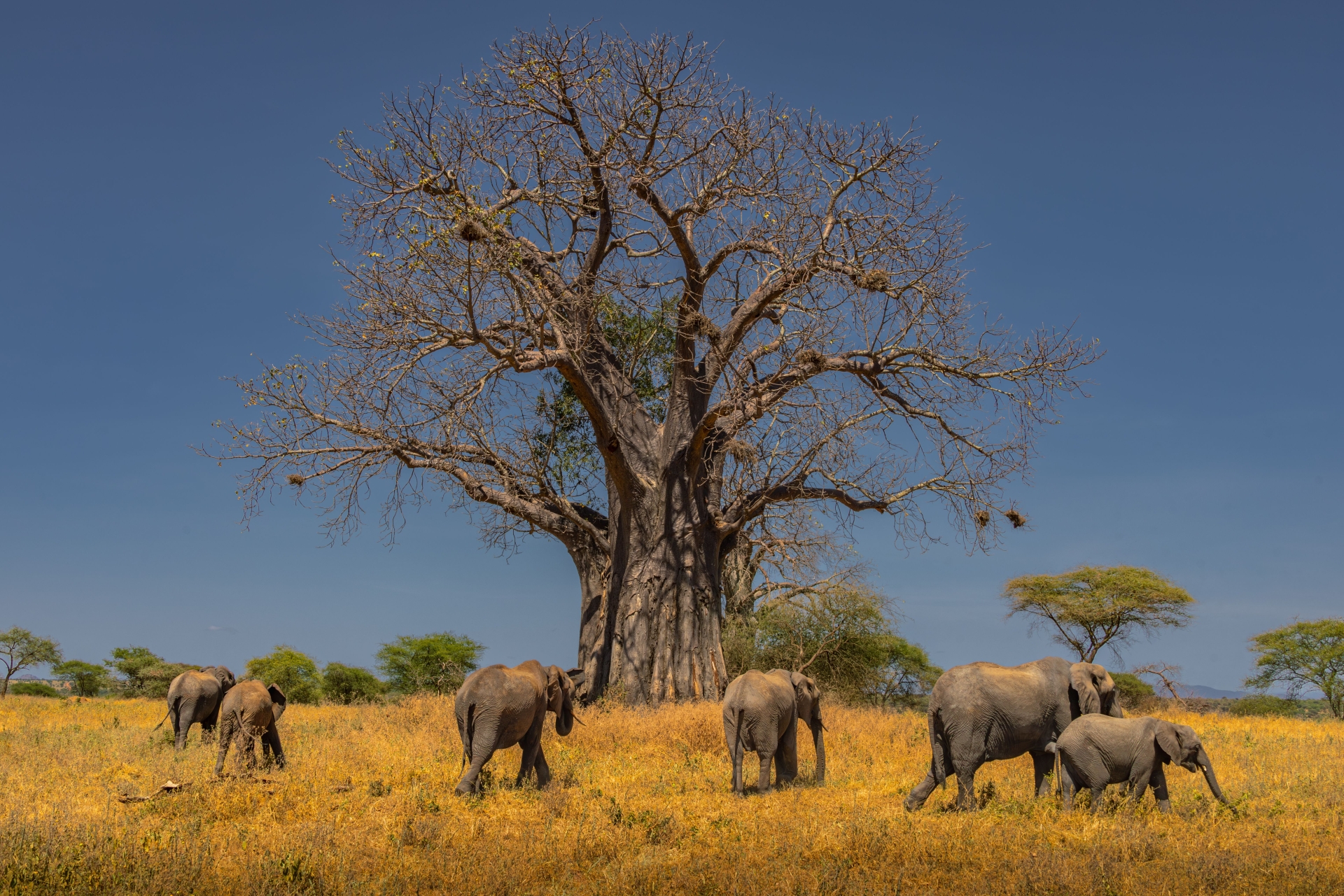
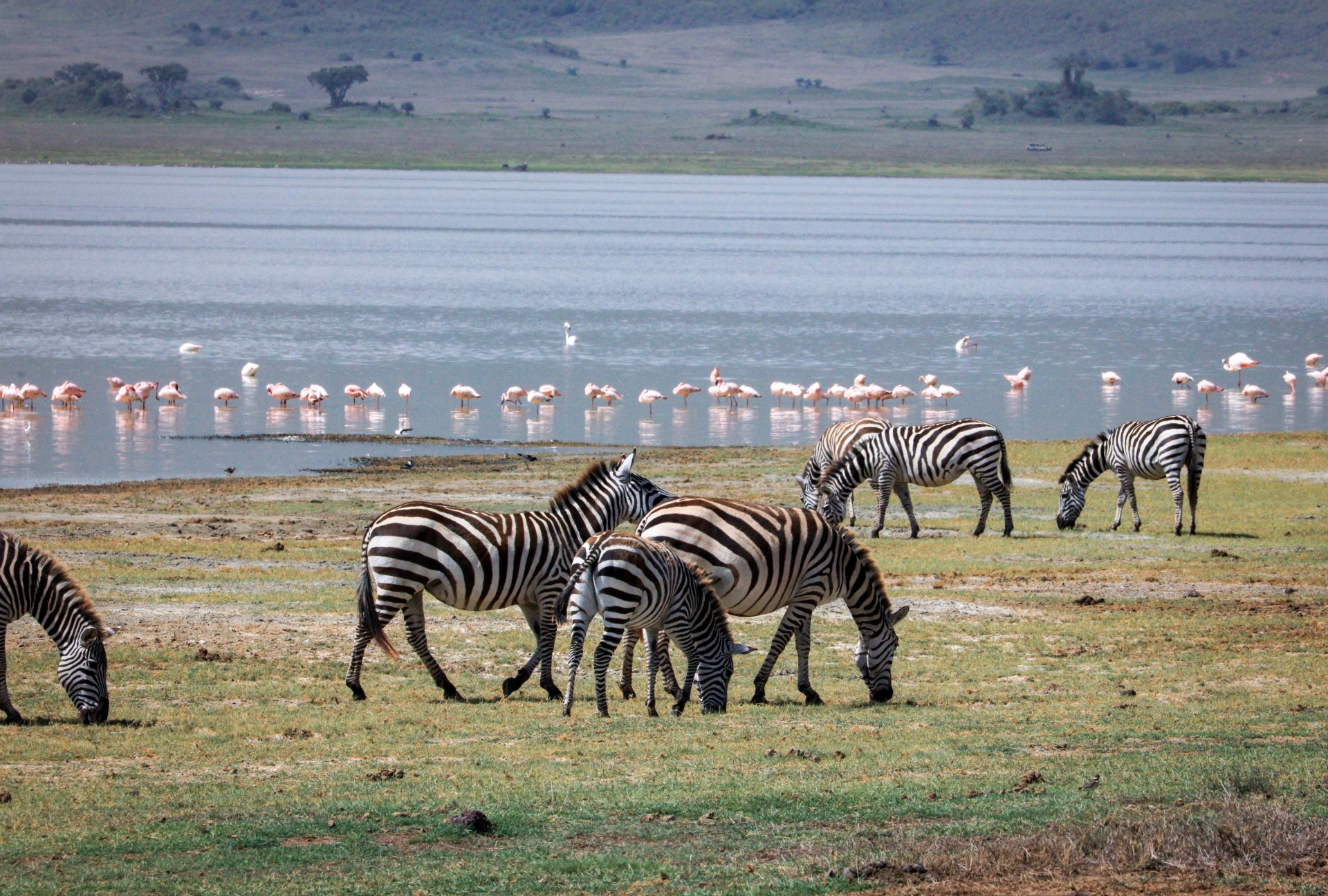
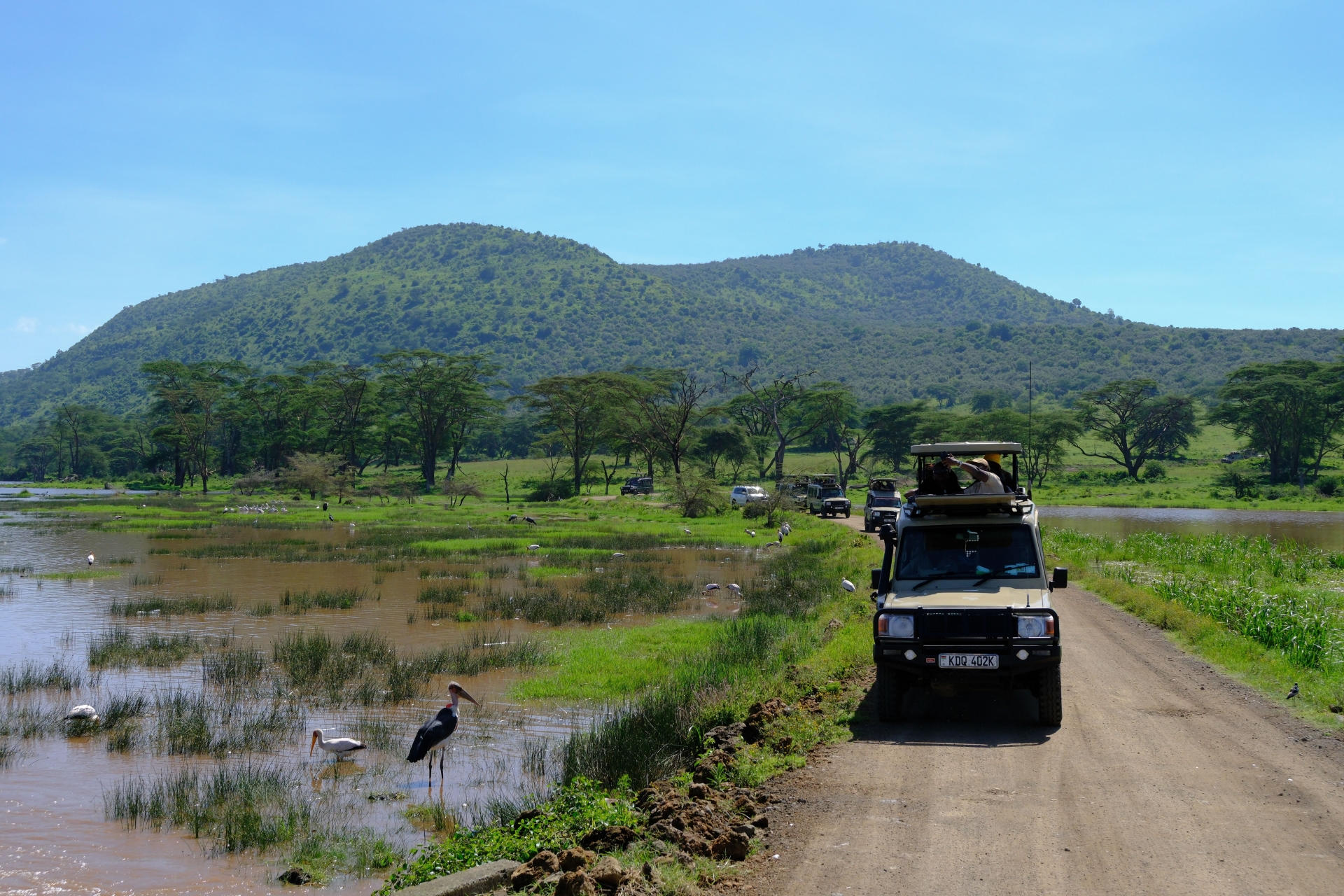
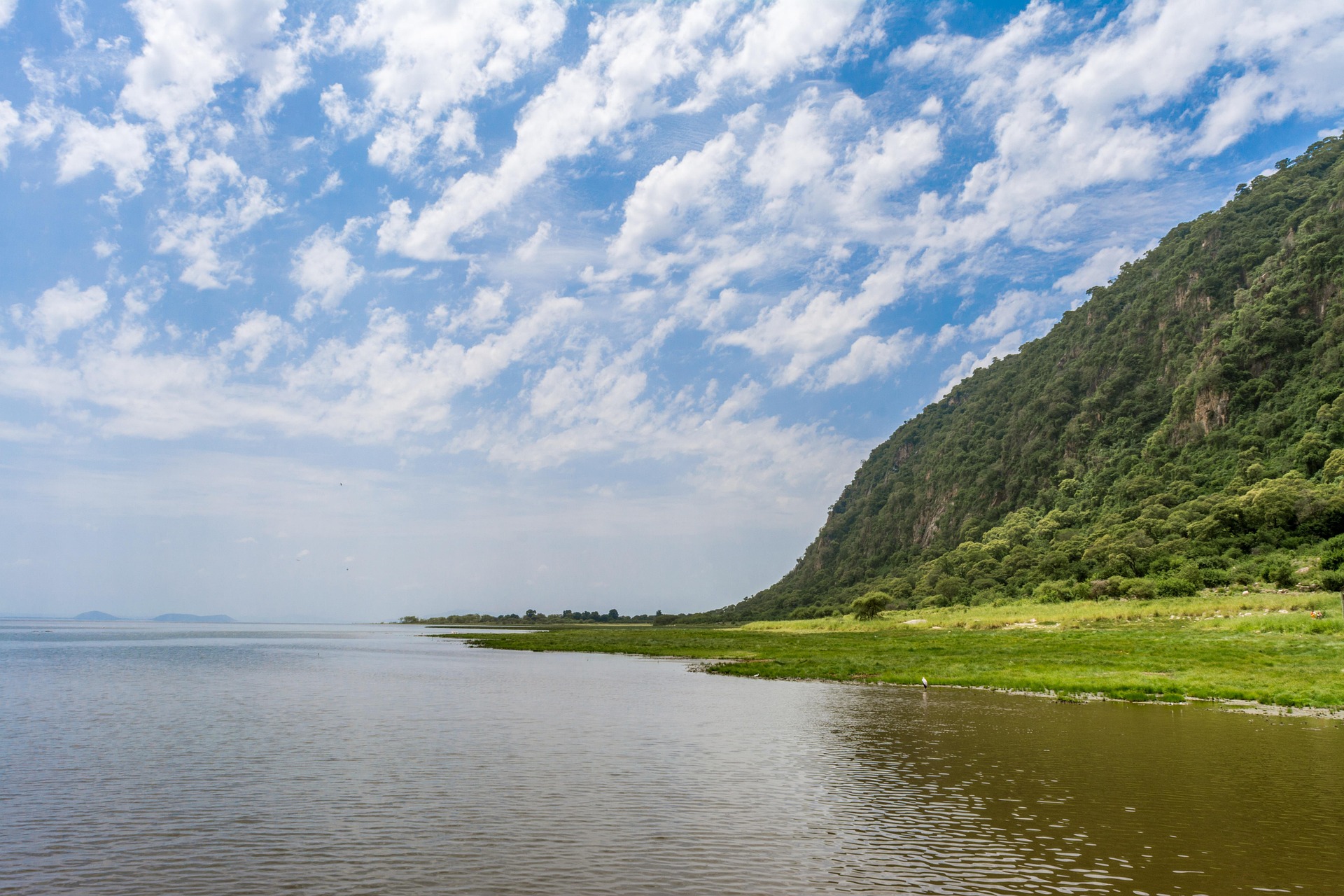
Lake Manyara National Park covers 325 sq km and is small but remarkably varied. A shallow soda lake draws flamingos and other water birds, while the acacia woodland is home to large herds of elephants, giraffes and baboons. The park is best known for its tree-climbing lions, its groundwater forest and a bird list of more than 400 species.
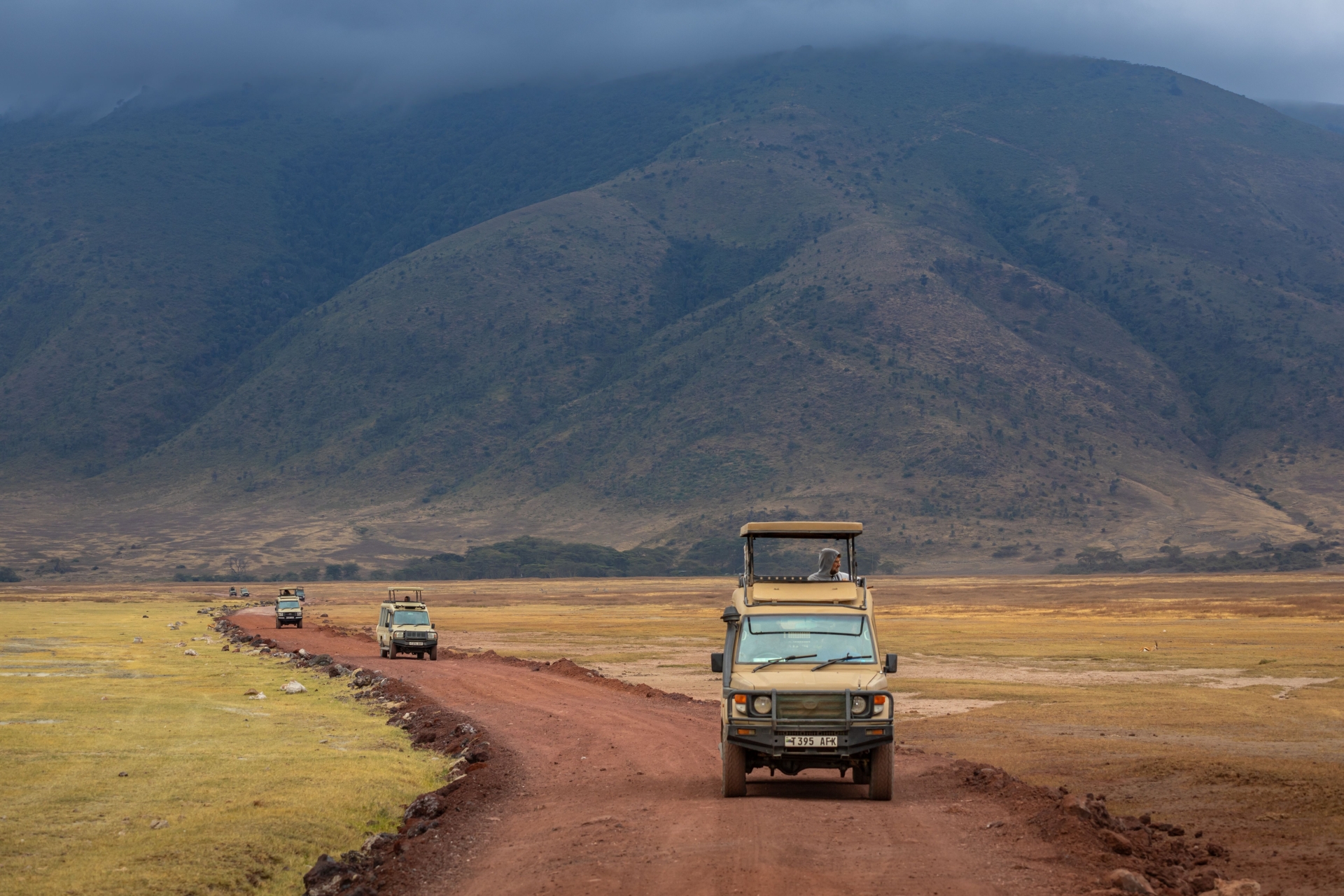
The scenery runs from the steep Great Rift Valley escarpment to green wetlands, which makes a dramatic backdrop for photography and wildlife viewing. Manyara works well as a first stop on the road to the Serengeti, or as the main destination of a shorter safari.
Quick Facts
- Location: Northern Tanzania, at the foot of the Rift Valley escarpment near Mto wa Mbu
- Famous For: Tree-climbing lions, flamingos and the groundwater forest
- Wildlife: Elephants, giraffes, baboons, buffalo, hippos, lions
- Birdlife: More than 400 species
- Landscape: Soda lake, acacia woodland, groundwater forest and escarpment
- Best Game Viewing: Dry season, June to October
- Bring: Binoculars, light layers and sun protection
Weather & Climate
Lake Manyara has a tropical climate shaped by the nearby Rift Valley. The long rains fall from March to May and the short rains from November to December. The dry months, June to October and January to February, are ideal for wildlife viewing.
Daytime temperatures usually range from 20°C to 28°C, and evenings can cool to around 12°C to 15°C. Light layers and sun protection are recommended.
What to Expect
The tree-climbing lions are a highlight, but they are not guaranteed, so we treat them as a bonus on top of the elephants, hippos, baboons and birdlife. The number of flamingos depends on the water level in the lake, and the lake itself changes a lot between the wet and dry seasons. Many guests combine Manyara with a cultural tour in nearby Mto wa Mbu before or after the game drive.
Plan Your Lake Manyara Safari
Talk to our local team for the best time to go, suggested itineraries and a personalized quote.
Request a Quote